
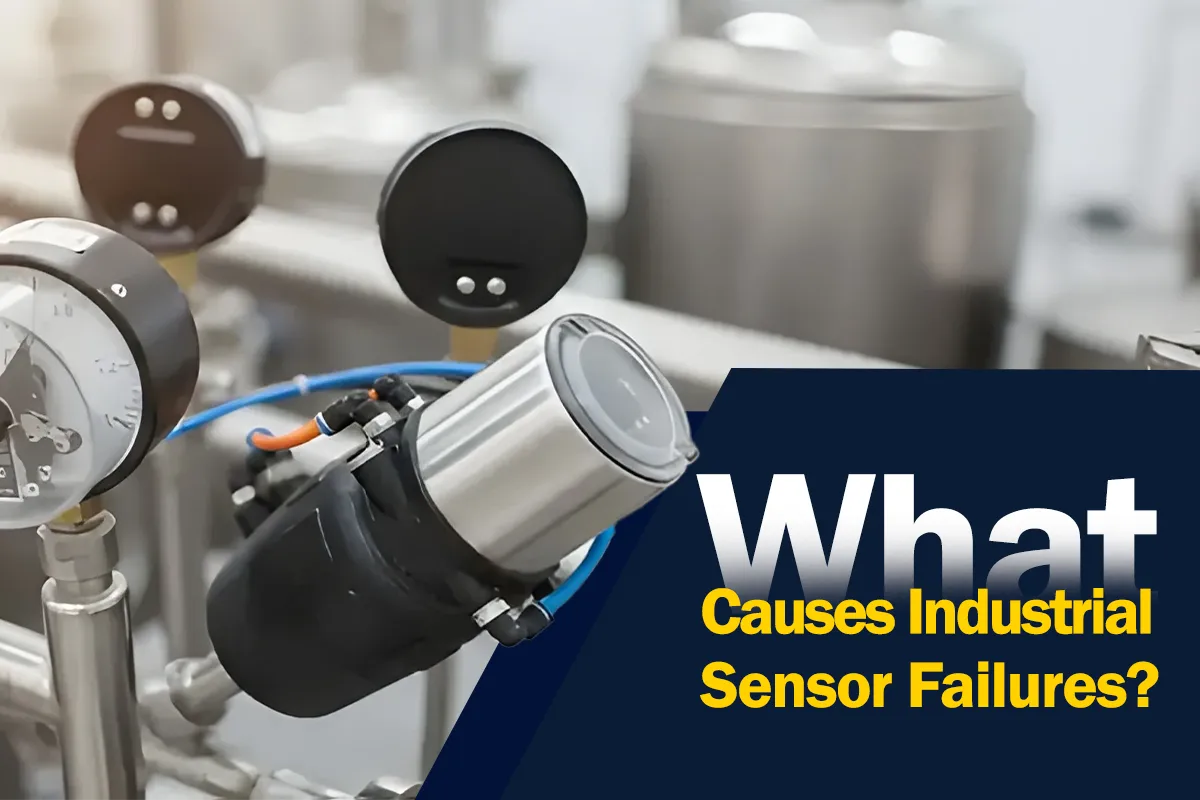
What Causes Industrial Sensor Failures?
Industrial sensors are essential for monitoring and controlling automated machinery. They provide critical information about temperature, pressure, position, speed, proximity, flow, and other operating conditions. When a sensor fails, the resulting incorrect signals can cause machine errors, production interruptions, or unexpected shutdowns. Understanding the common causes of sensor failure can help maintenance teams prevent problems and extend sensor service life.
1. Excessive Heat
High temperatures can damage sensor electronics, insulation, cables, and internal components. Sensors installed near kilns, ovens, motors, hydraulic systems, or other heat-generating equipment can be particularly vulnerable.
If the operating temperature regularly exceeds the sensor’s specified range, its accuracy and service life may be reduced. Selecting a sensor designed for the actual temperature conditions is therefore essential.
Read More: How Firing Temperature Impacts Ceramic Strength and Durability
2. Dust and Contamination
Industrial environments often contain dust, oil, metal particles, moisture, and other contaminants. These materials can interfere with sensing surfaces, connectors, and electronic components.
For example, heavy dust accumulation can affect photoelectric sensors, while contamination around connectors can contribute to unreliable signals. Regular cleaning and appropriate environmental protection can reduce these problems.
3. Mechanical Shock and Vibration
Continuous vibration and mechanical shock can gradually damage sensors and their mounting systems. Loose connections, damaged cables, internal component failure, and changes in sensor position can all result from excessive vibration.
Sensors installed on presses, conveyors, motors, rotating machinery, and other equipment should be securely mounted and inspected regularly.
4. Electrical Problems
Incorrect voltage, power surges, short circuits, grounding problems, and unstable power supplies can damage sensor electronics.
Before installing a replacement sensor, technicians should verify that the machine’s electrical conditions match the sensor’s specifications. Otherwise, a new sensor may experience the same failure.
5. Incorrect Installation
Improper installation can significantly reduce sensor performance. Incorrect mounting distance, poor alignment, excessive tightening, incorrect wiring, or unsuitable positioning can cause inaccurate readings or premature failure.
Following the manufacturer’s installation requirements and checking the sensor’s wiring and mounting configuration can help prevent these issues.
6. Moisture and Corrosion
Water, humidity, condensation, and corrosive substances can damage sensor housings, connectors, cables, and internal electronics.
Sensors used in outdoor environments, washing areas, chemical processes, or humid production facilities should have an appropriate level of environmental protection for their application.
7. Wiring and Connector Damage
Sometimes the sensor itself is functioning correctly, but its signal cannot reach the control system because of a damaged cable or connector.
Frequent bending, mechanical movement, heat, oil exposure, and vibration can deteriorate cables over time. Loose or corroded connectors can also create intermittent signals that are difficult to diagnose.
8. Normal Wear and Aging
Industrial sensors do not operate indefinitely. Continuous operation, repeated switching, exposure to harsh conditions, and component aging can eventually affect performance.
A sensor may gradually become less accurate or begin producing intermittent signals before failing completely. Monitoring sensor performance can help maintenance teams identify these changes early.
9. Incorrect Sensor Selection
A sensor may fail prematurely simply because it was not designed for the application. Using a sensor outside its specified temperature range, sensing distance, pressure range, electrical rating, or environmental conditions can lead to unreliable operation.
Selecting the correct sensor for the machine and keeping accurate records of its specifications are therefore important parts of maintenance planning.
10. Poor Maintenance
Lack of inspection and preventive maintenance can allow small sensor problems to develop into complete failures. Dirt, loose connections, damaged cables, and mounting problems may remain unnoticed until the sensor stops working.
Regular inspection can help identify these issues before they interrupt production.
Read More: How Predictive Maintenance Improves Ceramic Plant Performance
How to Prevent Industrial Sensor Failures
Factories can reduce sensor failures by combining proper selection, installation, inspection, and condition monitoring. Maintenance teams should:
- Keep sensors clean and properly protected.
- Inspect cables and connectors regularly.
- Check operating temperature and environmental conditions.
- Verify voltage and electrical connections.
- Inspect sensor mounting and alignment.
- Replace damaged components promptly.
- Keep critical sensor models available as spare parts.
- Follow manufacturer specifications for installation and operation.
Conclusion
Industrial sensor failures can result from excessive heat, contamination, vibration, electrical problems, moisture, incorrect installation, damaged wiring, normal aging, poor maintenance, or selecting a sensor that is unsuitable for the application. Identifying these causes early can help factories reduce unexpected downtime, maintain accurate automation signals, and extend the service life of critical components.
Reliable Industrial Sensors from SAEN
SAEN supplies industrial automation and electrical components for manufacturing applications. If you need sensors, encoders, automation components, or replacement parts for your machinery, contact SAEN to discuss your requirements and find suitable components for your application.
Leave a Reply
No comments have been sent yet!