
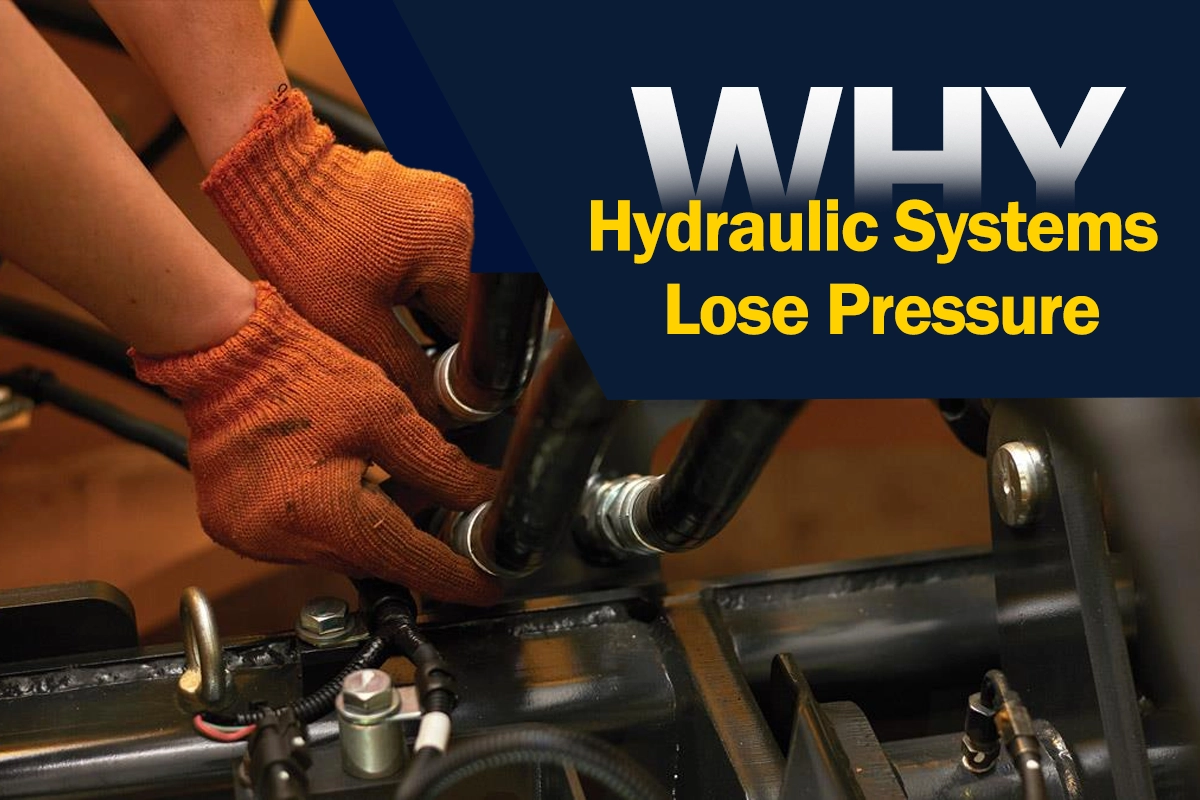
Why Hydraulic Systems Lose Pressure
Hydraulic systems rely on stable pressure to transfer power and operate industrial machinery accurately. A sudden or gradual pressure drop can reduce machine performance, increase cycle times, and eventually cause equipment failure. Understanding the common causes of pressure loss helps maintenance teams identify problems early and prevent unnecessary downtime.
1. Hydraulic Fluid Leaks
Leaks are one of the most common causes of hydraulic pressure loss. Fluid can escape through damaged hoses, loose fittings, worn seals, cracked pipes, or leaking valves.
Even a small leak can become a serious problem when a system operates continuously. Maintenance teams should regularly inspect hoses, connections, cylinders, pumps, and valves for visible fluid leakage.
2. Worn Hydraulic Pump
The hydraulic pump generates the flow required for the system to build and maintain pressure. Internal wear caused by contamination, inadequate lubrication, excessive operating temperatures, or prolonged use can reduce pump efficiency.
A worn pump may produce insufficient flow, making it difficult for the system to reach its required operating pressure. Unusual noise, overheating, and slow machine movement can also indicate pump problems.
3. Damaged or Worn Seals
Hydraulic cylinders, valves, pumps, and other components depend on seals to prevent internal and external fluid leakage. Over time, seals can become hardened, cracked, worn, or damaged.
Internal leakage can be particularly difficult to detect because hydraulic fluid may bypass a component without producing an obvious external leak. The result can be pressure loss and reduced actuator performance.
4. Clogged Hydraulic Filters
Hydraulic filters remove contaminants from the fluid and protect sensitive components. When a filter becomes heavily clogged, it can restrict fluid flow and affect system performance.
Regular filter inspection and replacement according to operating conditions can help maintain proper flow and prevent contamination-related failures.
5. Incorrect Hydraulic Fluid
Using the wrong hydraulic fluid or operating with fluid that has degraded can affect system performance. Incorrect viscosity can influence flow, leakage, pump efficiency, and component operation.
Hydraulic fluid should therefore meet the equipment manufacturer’s specifications. Fluid condition should also be monitored for contamination, oxidation, and other signs of degradation.
Read More: How to Prevent Hydraulic System Failures in Ceramic Presses
6. Air in the Hydraulic System
Air entering a hydraulic system can cause unstable pressure, spongy actuator movement, noise, and inconsistent machine performance. Air may enter through loose connections, damaged seals, low fluid levels, or problems on the pump suction side.
If air contamination is suspected, the source should be identified and corrected before normal operation continues.
7. Faulty Pressure Relief Valve
The pressure relief valve protects the hydraulic system from excessive pressure. If it is incorrectly adjusted, contaminated, damaged, or stuck partially open, it may allow hydraulic fluid to bypass the system before the required pressure is reached.
Checking the relief valve setting and condition should be part of troubleshooting when system pressure is consistently below the expected level.
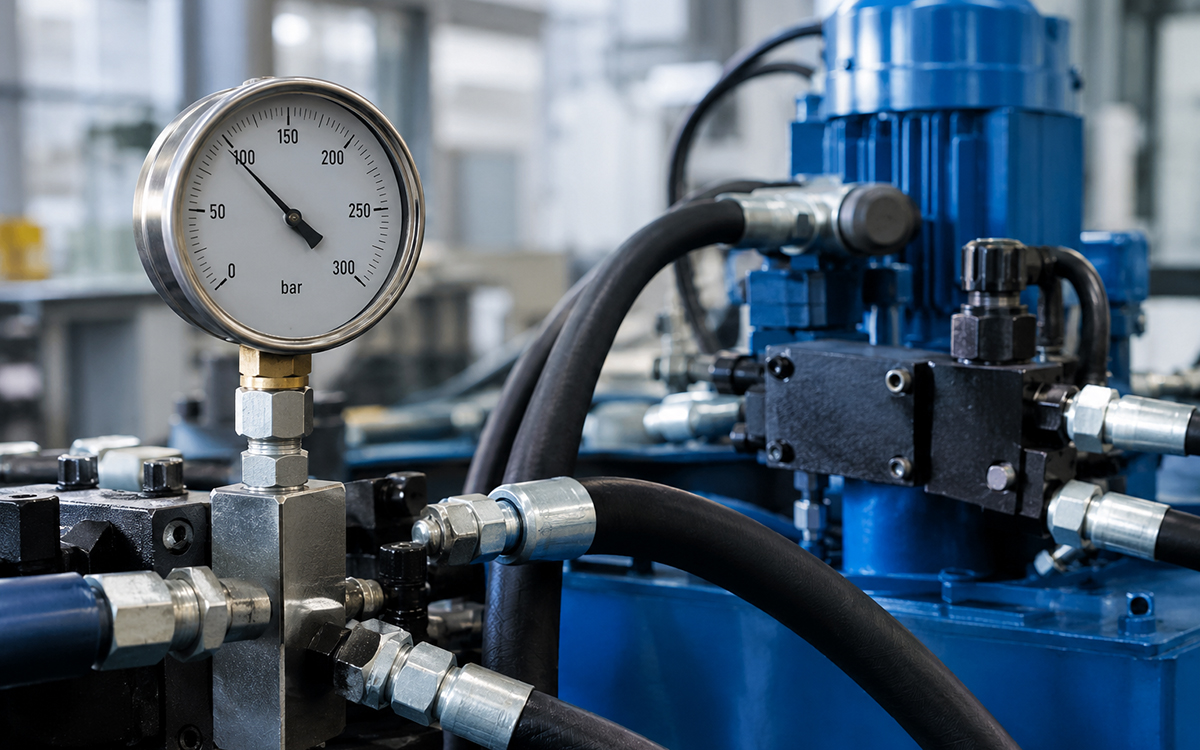
Hydraulic Systems
8. Internal Leakage in Valves and Cylinders
Hydraulic valves and cylinders can develop internal leakage as their components wear. In this situation, fluid may move internally instead of producing useful hydraulic force.
A cylinder that gradually loses position under load, for example, may have internal leakage through its seals or associated control valve.
9. Excessive System Temperature
High hydraulic fluid temperature can reduce viscosity and increase internal leakage in certain components. Continuous overheating may also accelerate seal deterioration and reduce the service life of pumps, valves, and other hydraulic components.
Maintaining proper cooling and investigating unexplained temperature increases can help prevent pressure-related problems.
Read More: How to Prevent Hydraulic System Failures in Ceramic Presses
How to Troubleshoot Hydraulic Pressure Loss
When a hydraulic system loses pressure, maintenance teams should avoid replacing components without first identifying the source of the problem. A systematic inspection can include:
- Checking the hydraulic fluid level and condition.
- Inspecting hoses, pipes, fittings, and seals for leaks.
- Checking filters for restriction or contamination.
- Measuring pressure at appropriate points in the system.
- Inspecting the pump for wear or abnormal operation.
- Checking the pressure relief valve and its setting.
- Inspecting cylinders and valves for internal leakage.
- Checking operating temperature and cooling performance.
- Examining the system for signs of air contamination.
How to Prevent Hydraulic Pressure Loss
Preventive maintenance is essential for maintaining stable hydraulic pressure. Regular fluid and filter maintenance, leak inspections, pressure monitoring, proper lubrication, temperature control, and timely replacement of worn components can significantly reduce the risk of hydraulic failure.
Factories should also maintain critical hydraulic spare parts such as pumps, valves, seals, hoses, filters, pressure sensors, and accumulators. Having compatible replacement components available can shorten repair times when failures occur.
Conclusion
Hydraulic pressure loss can result from leaks, pump wear, damaged seals, clogged filters, incorrect fluid, air contamination, faulty valves, internal leakage, or excessive temperature. Identifying the cause early allows maintenance teams to correct problems before they lead to major equipment damage or prolonged production downtime.
Reliable Hydraulic Spare Parts from SAEN
SAEN supplies industrial hydraulic and automation spare parts for demanding manufacturing applications. If you need hydraulic pumps, valves, motors, seals, sensors, or other critical components, contact SAEN to discuss your equipment requirements and find suitable replacement parts for your hydraulic system.
Leave a Reply
No comments have been sent yet!