
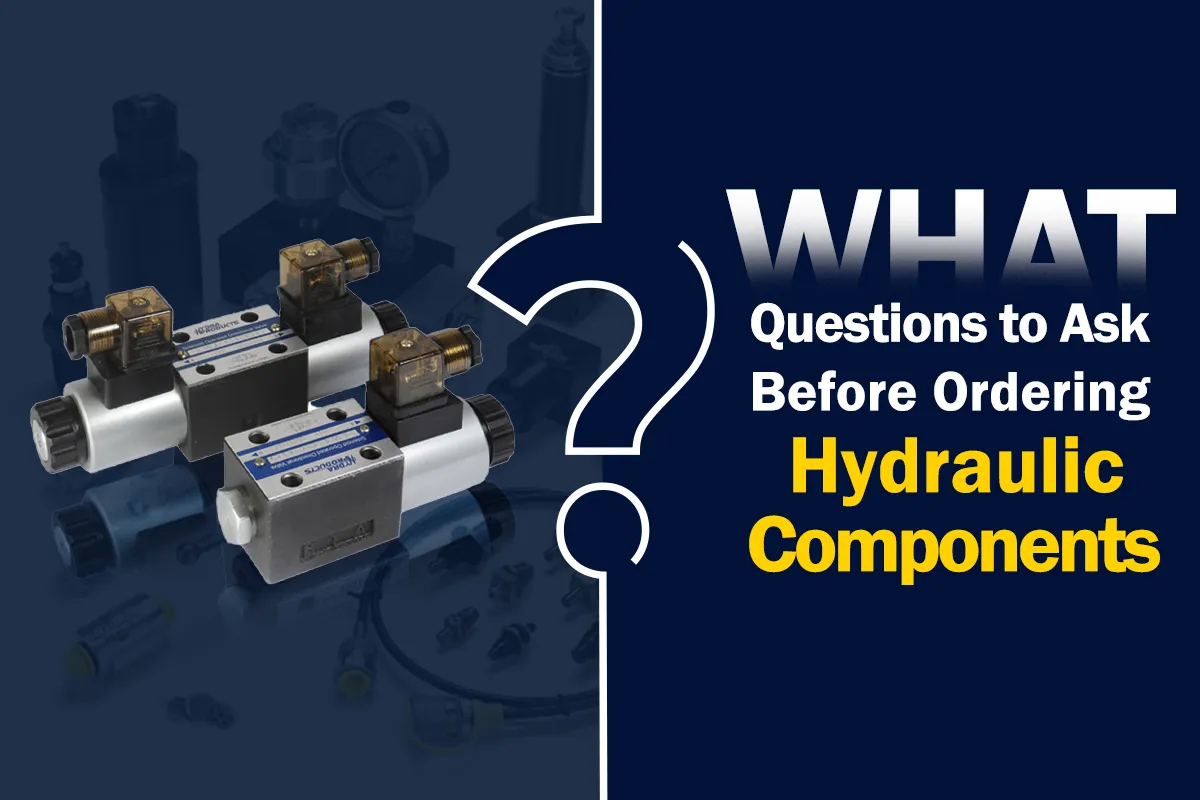
What Questions to Ask Before Ordering Hydraulic Components
Evaluating factors such as system requirements, product quality, technical support, and delivery availability is essential for selecting the right hydraulic solutions for industrial operations.ent, it is important to fully understand the technical requirements of the hydraulic system.
What Pressure and Flow Rate Does the System Require?
Hydraulic components must match the operating pressure and flow rate of the system. Using components with incorrect specifications can reduce efficiency or lead to premature failure.
What Type of Hydraulic Fluid Is Being Used?
Different hydraulic fluids may require specific seals, materials, or component designs. Confirming fluid compatibility helps prevent leaks, corrosion, and damage.
Is the Component Compatible with Existing Equipment?
Compatibility is one of the most important factors when selecting hydraulic parts.
Does the Component Match Existing Specifications?
Check model numbers, dimensions, mounting styles, connection sizes, voltage requirements, and performance ratings to ensure proper integration with existing machinery.
Will the Part Work in the Current Operating Environment?
Environmental conditions such as heat, dust, humidity, vibration, or heavy loads can affect component performance. Choosing parts designed for the specific operating environment improves reliability and lifespan.
What Is the Quality and Origin of the Component?
The quality of hydraulic components directly impacts system performance and maintenance costs.
Is the Part Genuine or High Quality?
Low-quality or counterfeit hydraulic parts may fail quickly, reduce efficiency, or damage other system components. Reliable suppliers provide genuine or high-performance alternatives that meet industry standards.
Does the Supplier Work with Trusted Brands?
Working with suppliers that source components from recognized manufacturers helps ensure product quality and long-term reliability.
What Is the Expected Service Life?
Understanding the durability and maintenance requirements of hydraulic components helps businesses plan more effectively.
How Long Should the Component Last?
Ask about expected operating life under normal conditions and whether the component is suitable for continuous or heavy-duty applications.
What Maintenance Is Required?
Some hydraulic components require regular inspections, lubrication, seal replacement, or calibration. Knowing these requirements helps reduce future downtime and maintenance costs.
Read More: How to Find Reliable Industrial Spare Parts in the UAE
Is Technical Support Available?
Technical guidance can be extremely valuable when selecting hydraulic components.
Can the Supplier Help Identify the Correct Part?
An experienced supplier should be able to recommend suitable components based on your equipment specifications and application requirements.
Is After-Sales Support Offered?
Reliable technical support after purchase can help businesses troubleshoot issues, improve installation, and reduce operational disruptions.
How Quickly Can the Components Be Delivered?
Fast delivery is essential when equipment downtime affects production schedules.
Is the Component Readily Available?
Ask whether the supplier maintains local inventory or if the part needs to be imported. Ready stock availability can significantly reduce downtime.
Can Emergency Orders Be Handled Quickly?
Industrial operations often require urgent replacement parts. Suppliers with efficient logistics and fast delivery services provide a major advantage.
Read More: Hydraulic Accumulators: Essential Components for Efficient Hydraulic Systems
Why Work with a Trusted Supplier Like SAEN?
Choosing an experienced industrial supplier helps businesses avoid costly mistakes and improve system reliability.
Reliable Hydraulic Solutions in the UAE
SAEN supplies high-quality hydraulic components for industrial applications across the UAE, including hydraulic motors, accumulators, valves, pumps, and automation systems.
Expert Support and Fast Supply
With strong technical expertise and reliable sourcing capabilities, SAEN helps businesses identify the right hydraulic components for their operations while reducing downtime and improving efficiency. Contact SAEN now to help with your order.
Conclusion
Asking the right questions before ordering hydraulic components helps businesses avoid compatibility issues, improve equipment reliability, and reduce maintenance costs. Factors such as pressure requirements, product quality, operating environment, technical support, and delivery speed all play a critical role in selecting the right components. By partnering with a trusted supplier like SAEN, industrial businesses can access dependable hydraulic solutions, expert guidance, and reliable support for long-term operational success.
Leave a Reply
No comments have been sent yet!