
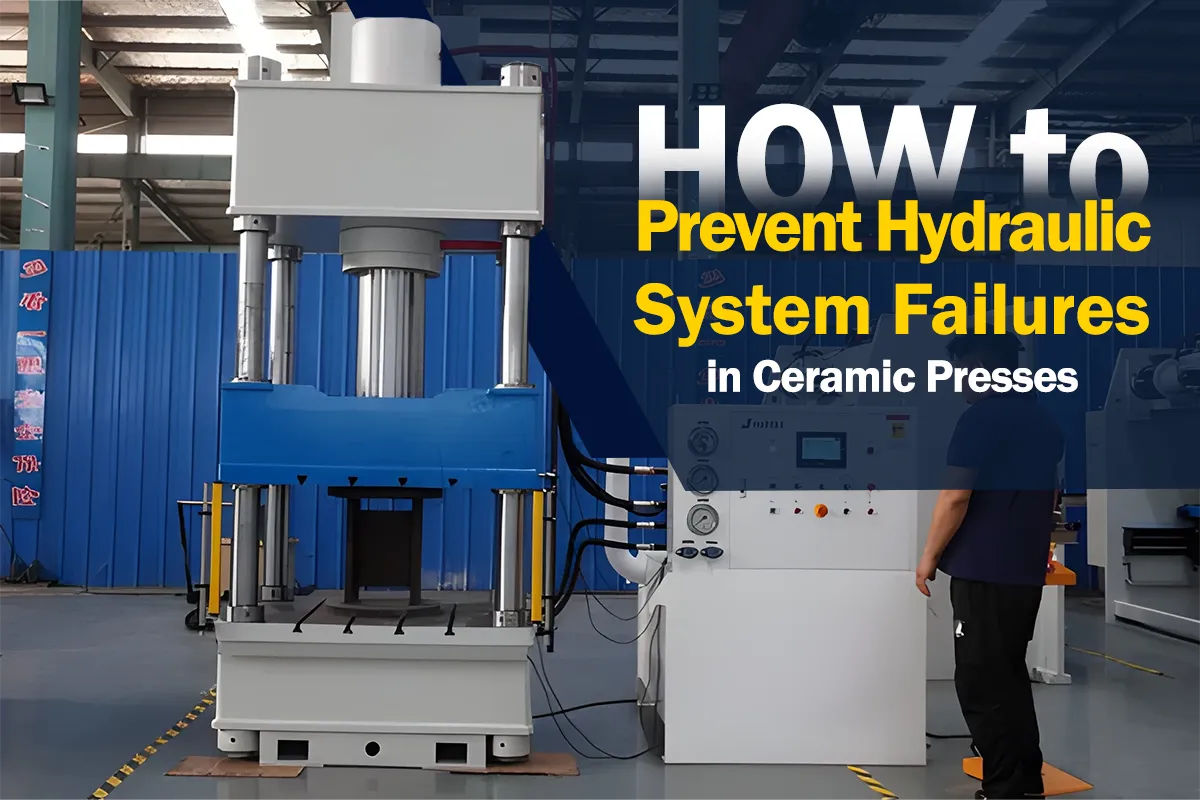
How to Prevent Hydraulic System Failures in Ceramic Presses
Hydraulic systems are at the heart of many ceramic presses, providing the force required to shape ceramic materials accurately and consistently. Because these systems operate under high pressure and demanding production conditions, hydraulic failures can quickly lead to production stoppages, defective products, and expensive repairs. A proactive maintenance strategy can help ceramic manufacturers identify potential problems early, extend component life, and keep presses operating reliably.
Why Hydraulic Reliability Matters in Ceramic Presses
A ceramic press depends on stable hydraulic pressure to deliver consistent pressing force. Any variation in pressure can affect the dimensions, density, and quality of the finished ceramic product.
Hydraulic failures can also damage connected components such as pumps, valves, cylinders, seals, and hoses. In severe cases, a single hydraulic problem may bring an entire production line to a halt.
For this reason, hydraulic maintenance should be treated as a critical part of ceramic press maintenance rather than an occasional repair activity.
Read More: How Automation, Food, and Ceramic Industries Benefit from Predictive Maintenance
Keep Hydraulic Oil Clean
Contaminated hydraulic fluid is one of the most common causes of hydraulic component failure. Dust, ceramic particles, moisture, and other contaminants can enter the system and cause wear on pumps, valves, and cylinders.
Regularly checking fluid condition and replacing filters helps protect sensitive components. Hydraulic oil should also be stored and handled correctly to prevent contamination before it enters the system.
Monitor Hydraulic Pressure
Consistent pressure is essential for reliable ceramic pressing. Maintenance teams should regularly monitor pressure readings and investigate unusual fluctuations.
A sudden pressure drop may indicate a leaking hose, worn seal, damaged valve, or pump problem. On the other hand, excessive pressure may place unnecessary stress on components and increase the risk of failure.
Keeping records of normal operating pressure makes it easier to identify changes that may indicate developing problems.
Inspect Hoses, Seals, and Connections
Hydraulic hoses and seals are exposed to pressure, vibration, temperature changes, and continuous movement. Over time, they can crack, deteriorate, or develop leaks.
During routine inspections, technicians should look for:
- Oil leaks
- Cracked or damaged hoses
- Worn seals
- Loose fittings
- Bulging hoses
- Damaged connections
Replacing worn components before they fail completely can prevent larger hydraulic problems and unexpected downtime.
Maintain Hydraulic Filters
Filters protect hydraulic components by removing contaminants from the fluid. As filters become clogged, they can restrict fluid flow and force the hydraulic system to work harder.
A clogged filter may contribute to pressure problems, overheating, reduced machine performance, and premature component wear. Filters should therefore be inspected and replaced according to equipment requirements and operating conditions.
Prevent Hydraulic System Overheating
Excessive heat can significantly shorten the service life of hydraulic components and degrade hydraulic fluid.
Overheating may result from excessive loads, contaminated oil, blocked cooling systems, inadequate fluid levels, or inefficient pumps. Monitoring hydraulic temperature can help maintenance teams identify problems before they cause serious damage.
If operating temperatures consistently exceed normal levels, the cause should be investigated rather than simply continuing production.
Check Hydraulic Pumps and Valves
Hydraulic pumps and valves are critical to maintaining pressure and controlling the movement of the ceramic press.
Unusual noise, vibration, pressure fluctuations, slow machine cycles, or inconsistent pressing force can indicate problems with these components. Regular inspections can identify wear before a complete failure occurs.
Because pumps and specialized valves may require significant time to source, maintaining critical replacements in inventory can further reduce downtime.
Use the Correct Hydraulic Oil
Using the wrong hydraulic fluid can negatively affect seals, pumps, valves, and overall system performance. Manufacturers should follow the equipment manufacturer’s specifications regarding fluid type, viscosity, and operating requirements.
Mixing incompatible hydraulic fluids should also be avoided unless specifically approved for the system.
Monitor Unusual Machine Behavior
Hydraulic failures often provide warning signs before they become severe. Maintenance teams and machine operators should pay attention to changes in press performance.
Warning signs can include:
- Slower press cycles
- Inconsistent pressing force
- Unusual hydraulic noise
- Excessive vibration
- Temperature increases
- Pressure fluctuations
- Visible oil leakage
Investigating these symptoms early can prevent a minor component problem from developing into a major breakdown.
Combine Preventive and Predictive Maintenance
A strong hydraulic maintenance program should combine regular preventive inspections with condition monitoring.
Preventive maintenance ensures that filters, oil, hoses, seals, and other components are checked regularly. Predictive maintenance adds another layer by monitoring factors such as pressure, temperature, vibration, and fluid condition.
This allows maintenance teams to identify developing problems and schedule repairs before they cause unexpected downtime.
Read More: How Predictive Maintenance Improves Ceramic Plant Performance
How SAEN Can Help
SAEN supplies industrial spare parts and hydraulic components for manufacturing facilities across the UAE, supporting industries that depend on reliable production equipment. From hydraulic pumps, valves, cylinders, hoses, and seals to accumulators and other critical components, SAEN can help ceramic manufacturers identify suitable spare parts for their equipment.
If your ceramic press is experiencing hydraulic pressure problems, leakage, overheating, or inconsistent performance, contacting SAEN for technical assistance can help you identify the appropriate components and maintenance solution.
Conclusion
Preventing hydraulic system failures in ceramic presses requires consistent maintenance, clean hydraulic fluid, proper pressure monitoring, timely component replacement, and effective spare parts planning. By paying attention to early warning signs and maintaining critical hydraulic components, ceramic manufacturers can reduce unexpected downtime, improve press performance, and extend equipment life.
A proactive approach to hydraulic maintenance not only protects the press itself but also supports consistent product quality and more reliable ceramic production.
Leave a Reply
No comments have been sent yet!