
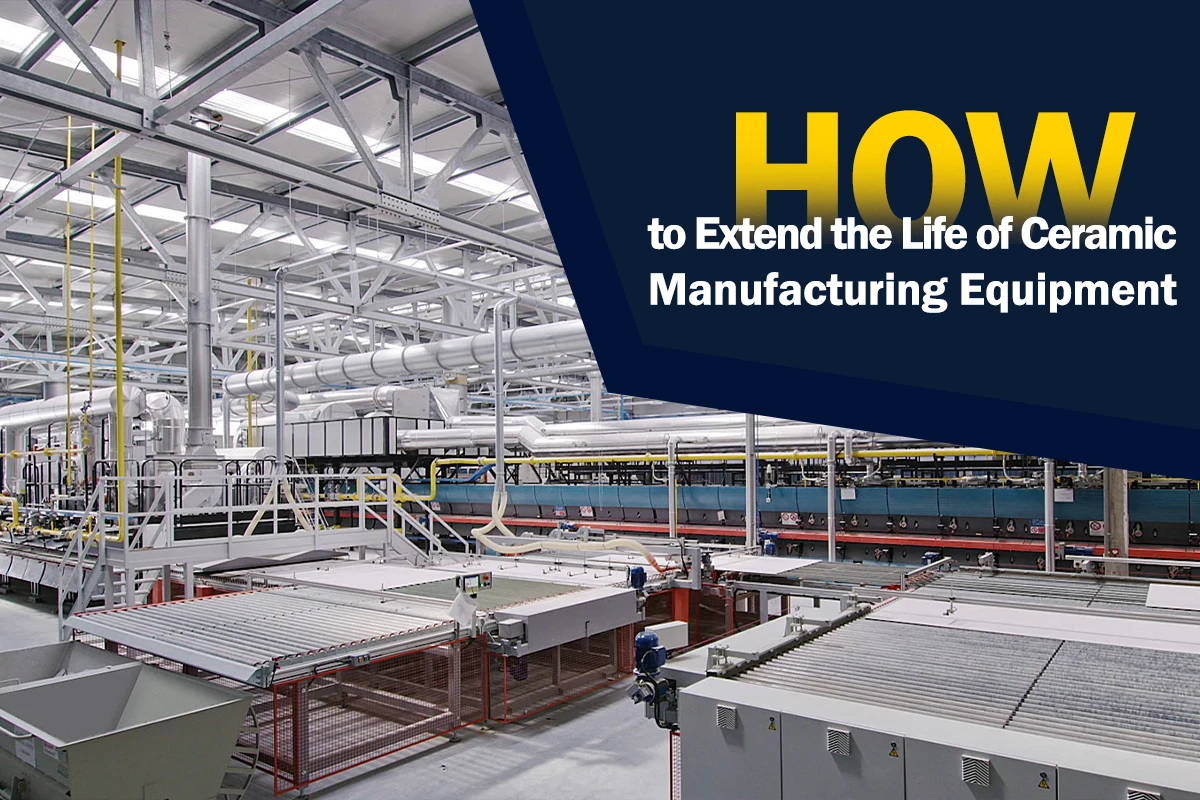
How to Extend the Life of Ceramic Manufacturing Equipment
Ceramic manufacturing equipment represents a significant investment for any production facility. Machines such as presses, kilns, conveyors, mixers, dryers, and automation systems are expected to operate reliably under demanding conditions, often for many years. However, continuous exposure to heat, dust, vibration, pressure, and heavy workloads can gradually reduce equipment performance and shorten service life.
Extending the lifespan of ceramic manufacturing equipment is not simply about reducing replacement costs. It also helps improve production reliability, minimize downtime, increase operational efficiency, and maintain consistent product quality. By following proven maintenance and operational practices, manufacturers can maximize the value of their equipment and reduce long-term operating expenses.
Implement a Preventive Maintenance Program
One of the most effective ways to extend equipment life is through preventive maintenance. Rather than waiting for a machine to fail, preventive maintenance focuses on routine inspections, servicing, and component replacement before major problems develop.
Regular maintenance helps identify worn parts, loose connections, leaks, alignment issues, and other potential failures early. Addressing these issues before they escalate reduces stress on equipment and helps prevent costly breakdowns that can cause additional damage to surrounding components.
Facilities that follow structured maintenance schedules typically experience fewer unexpected failures and longer equipment lifespans.
Read More: How Automation, Food, and Ceramic Industries Benefit from Predictive Maintenance
Keep Equipment Clean
Ceramic manufacturing environments generate large amounts of dust and abrasive particles. Over time, these contaminants can accumulate on machinery and interfere with normal operation.
Dust buildup can block ventilation systems, reduce cooling efficiency, contaminate lubrication points, and affect electrical and automation components. If left unmanaged, contamination can accelerate wear and increase the likelihood of equipment failure.
Establishing regular cleaning procedures helps maintain equipment efficiency and protects critical components from unnecessary damage.
Monitor Lubrication Carefully
Proper lubrication is essential for reducing friction and wear in moving components. Bearings, gears, chains, rollers, and other mechanical parts rely on adequate lubrication to operate efficiently.
Insufficient lubrication can lead to overheating, excessive friction, premature wear, and eventual component failure. At the same time, over-lubrication can create its own problems by attracting contaminants and increasing maintenance requirements.
Following manufacturer recommendations for lubrication intervals and lubricant selection helps maximize component life and improve overall machine performance.
Protect Hydraulic Systems
Many ceramic presses and industrial machines depend on hydraulic systems for reliable operation. Hydraulic pumps, valves, cylinders, accumulators, and seals must be maintained carefully to prevent performance issues.
Contaminated hydraulic oil is one of the leading causes of hydraulic component failure. Regular oil analysis, filter replacement, and system inspections help maintain proper hydraulic performance and reduce wear on critical components.
Monitoring hydraulic pressure, temperature, and fluid condition can also help identify developing problems before they affect production.
Read More: How to Choose the Right Hydraulic Motor for Your Application
Train Operators Properly
Even the most advanced equipment can experience premature wear if it is not operated correctly.
Operators should understand proper startup and shutdown procedures, machine operating limits, safety requirements, and basic inspection practices. Training helps reduce operator errors that may place unnecessary stress on equipment or contribute to component damage.
Well-trained operators are also more likely to identify unusual noises, vibration, leaks, or performance changes before serious problems develop.
Monitor Equipment Performance
Changes in machine performance often provide early warning signs of developing issues.
Factors worth monitoring include:
- Temperature
- Vibration
- Energy consumption
- Hydraulic pressure
- Production speed
- Product quality
Unexpected changes in any of these areas may indicate wear, misalignment, contamination, or component deterioration. Early detection allows maintenance teams to address problems before they result in equipment failure.
Replace Worn Components Before Failure
Every industrial component has a finite service life. Waiting until parts completely fail can increase repair costs and cause damage to other equipment.
Components such as bearings, seals, belts, sensors, thermocouples, motors, and hydraulic parts should be inspected regularly and replaced when signs of wear become apparent. Planned replacement is typically less expensive and less disruptive than emergency repairs.
A proactive replacement strategy helps maintain equipment reliability and reduce downtime.
Use High-Quality Spare Parts
The quality of replacement components plays a major role in equipment longevity.
Low-quality or incompatible spare parts may wear faster, reduce machine efficiency, or create additional stress on surrounding components. While cheaper alternatives may appear attractive initially, they often result in higher maintenance costs over time.
Using reliable, high-quality spare parts helps maintain equipment performance and supports longer service life.
Read Also: Spare Parts Management: The Key to Consistent Production in the Ceramic Industry
Maintain Accurate Maintenance Records
Detailed maintenance records provide valuable information about equipment condition and performance trends.
Tracking repairs, inspections, component replacements, and recurring issues helps maintenance teams make more informed decisions about future servicing requirements. Historical data can also help identify patterns that may indicate underlying equipment problems.
Good recordkeeping supports more effective maintenance planning and long-term asset management.
The Importance of Spare Parts Planning
Even well-maintained equipment occasionally requires replacement parts. Maintaining an inventory of critical spare parts allows maintenance teams to respond quickly when repairs are needed.
Components with long lead times or a high impact on production should receive special attention. Proper spare parts planning helps reduce downtime and prevents minor failures from becoming major production disruptions.
How SAEN Supports Ceramic Manufacturers
SAEN supplies high-quality industrial spare parts and technical support for ceramic manufacturing plants across the UAE. From hydraulic components and automation systems to motors, sensors, thermocouples, bearings, and kiln-related spare parts, SAEN helps manufacturers improve equipment reliability and extend machine lifespan.
With industry expertise and dependable supply solutions, SAEN supports businesses in maintaining efficient, productive, and reliable manufacturing operations. Contact SAEN if you have any other questions.
Conclusion
Extending the life of ceramic manufacturing equipment requires a combination of preventive maintenance, proper operation, regular inspections, and high-quality spare parts.
By protecting critical systems, monitoring equipment performance, and addressing wear before failures occur, manufacturers can improve reliability, reduce maintenance costs, and maximize the return on their equipment investment. A proactive approach not only extends equipment lifespan but also supports consistent production and long-term operational success.
Leave a Reply
No comments have been sent yet!