
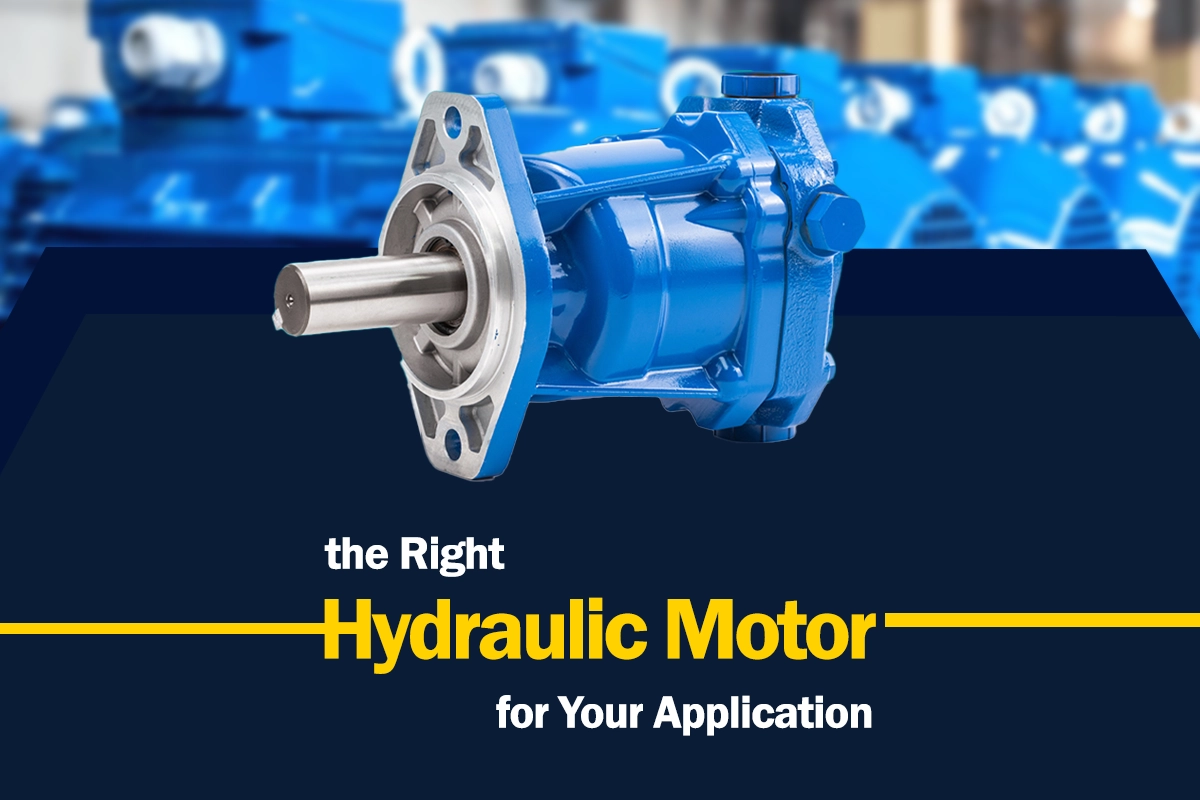
How to Choose the Right Hydraulic Motor for Your Application
Selecting the right hydraulic motor is essential for ensuring efficiency, reliability, and long service life in any hydraulic system. Whether used in construction equipment, industrial machinery, agriculture, or marine applications, the wrong choice can lead to poor performance, higher maintenance costs, and unnecessary downtime. Understanding the key selection factors helps buyers make a more informed and cost-effective decision.
Understand Your Application Requirements
The first step in choosing a hydraulic motor is clearly defining how and where it will be used. Different applications require different performance characteristics. For example, heavy-duty machinery may need high torque at low speeds, while other systems may prioritize higher speed and lighter loads. Operating environment, duty cycle, and system complexity should all be considered before selecting a motor.
Determine Required Torque and Speed
Torque and speed are the two most important technical factors when selecting a hydraulic motor. Torque determines the motor’s ability to move a load, while speed defines how fast it operates. These two variables are directly related, and selecting the right balance is critical.
Applications such as conveyors, winches, and mixers often require high torque at lower speeds, whereas equipment like fans or cutting tools may need higher speed with moderate torque. Choosing a motor that matches these requirements ensures optimal performance and prevents unnecessary strain on the system.
Choose the Right Type of Hydraulic Motor
There are several types of hydraulic motors, and each is suited for specific applications.
Gear motors are simple, cost-effective, and suitable for moderate pressure and speed conditions. Vane motors offer smoother operation and are often used in medium-duty applications. Piston motors, including axial and radial designs, provide high efficiency and are ideal for heavy-duty or high-pressure systems.
Selecting the correct motor type depends on performance needs, budget, and system design.
Read More: Hydraulic Motors: Reliable Power for Industrial Applications
Consider Operating Pressure and Flow Rate
Hydraulic motors operate based on pressure and flow provided by the hydraulic system. The motor must be compatible with the available pressure range and flow rate to function correctly.
Higher pressure typically allows for greater torque, while higher flow rates increase speed. Choosing a motor that matches your system’s capabilities ensures efficiency and prevents performance issues such as overheating or excessive wear.
Evaluate Efficiency and Performance
Efficiency is a key factor in long-term performance and operating cost. A more efficient motor converts more hydraulic energy into mechanical power, reducing energy loss and improving system performance.
High-efficiency motors also generate less heat, which helps extend component life and reduce maintenance requirements. Buyers should look for motors that provide consistent performance under expected operating conditions.
Check Durability and Operating Conditions
- Temperature conditions
- Dust and contamination levels
- Moisture and humidity exposure
- Chemical or corrosive environment
- Need for robust design and protective sealing
- Suitability for harsh operating conditions
- Impact on reliability and failure risk
Review Maintenance and Serviceability
Maintenance requirements vary depending on motor type and design. Some motors are easier to service and maintain, while others may require specialized support.
Buyers should consider the availability of spare parts, ease of repair, and access to technical support. A motor that is easy to maintain can significantly reduce downtime and long-term costs.
Work with a Reliable Supplier
Beyond technical specifications, choosing the right supplier is equally important. A professional supplier should provide clear documentation, technical guidance, and consistent product quality.
Reliable suppliers also help ensure that the motor is correctly matched to the application, reducing the risk of incorrect selection and improving overall system performance.
Final Thoughts
Choosing the right hydraulic motor involves more than just selecting a product from a catalog. It requires a clear understanding of application needs, system requirements, and operating conditions. By carefully evaluating torque, speed, pressure, efficiency, and durability, buyers can select a motor that delivers reliable performance and long-term value.
Making the right choice from the beginning not only improves system efficiency but also reduces maintenance costs and prevents operational issues.
Need Help Choosing the Right Hydraulic Motor?
If you are looking for expert guidance in selecting the right hydraulic motor for your application, working with an experienced supplier can make the process much easier.
At SAEN, we support industrial buyers with technical consultation, reliable supply, and solutions tailored to specific operational needs.
Contact our team today to discuss your requirements and find the right hydraulic solution for your project.
Leave a Reply
No comments have been sent yet!