
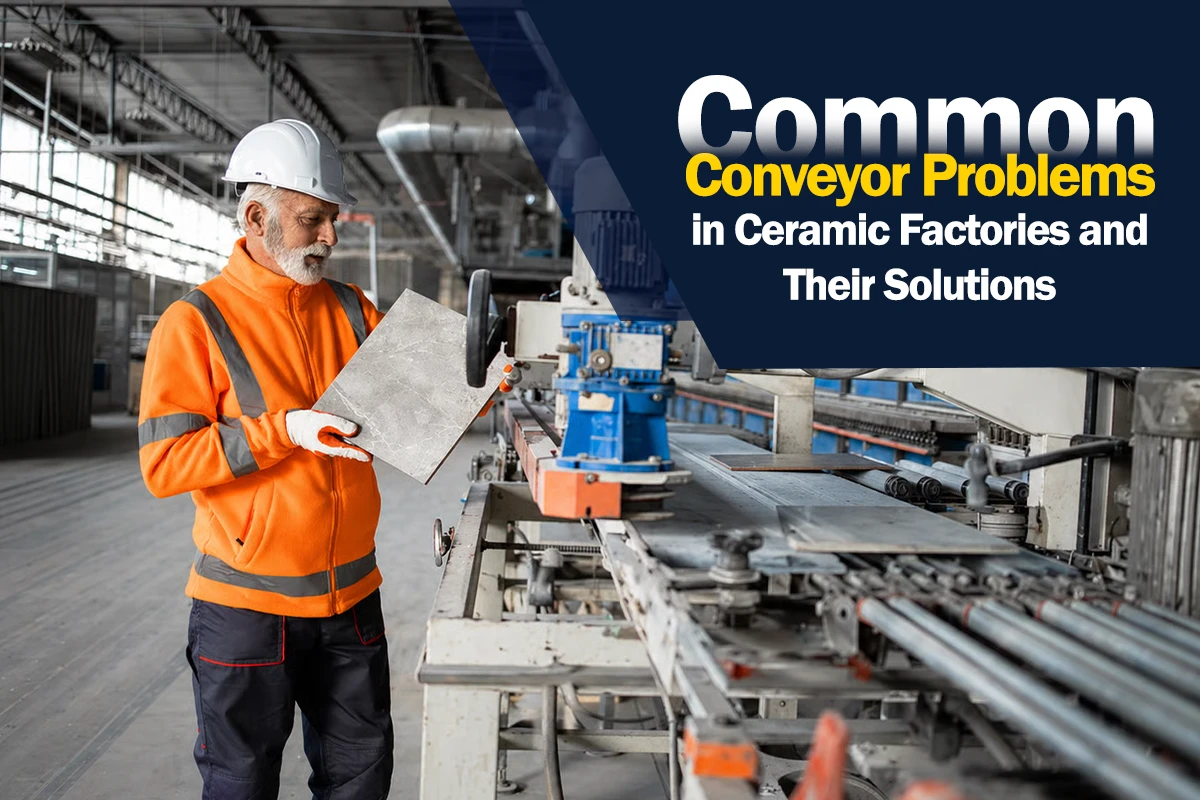
Common Conveyor Problems in Ceramic Factories and Their Solutions
Conveyor systems are an essential part of every ceramic manufacturing plant. They transport raw materials, green products, fired ceramics, and finished goods efficiently between different stages of production. Because conveyors often operate continuously, they are exposed to heavy loads, abrasive materials, dust, vibration, and high temperatures. Over time, these demanding conditions can lead to equipment wear and unexpected failures.
Even a minor conveyor problem can interrupt the entire production line, causing delays, product damage, and increased maintenance costs. Understanding the most common conveyor issues and addressing them before they become major failures is key to maintaining productivity and reducing downtime.
Why Conveyor Reliability Is So Important
A ceramic production line is only as efficient as its material handling system. If a conveyor stops unexpectedly, upstream equipment may continue producing material while downstream processes remain idle. This creates production bottlenecks and can quickly affect the entire factory.
Reliable conveyors help manufacturers:
- Maintain continuous production
- Reduce manual handling
- Minimize product damage
- Improve workplace safety
- Lower maintenance costs
A proactive maintenance strategy keeps these systems operating efficiently throughout their service life.
Belt Misalignment
One of the most common conveyor problems is belt misalignment. A belt that drifts to one side can rub against the conveyor frame, causing premature wear and increasing the risk of damage.
Misalignment is often caused by worn rollers, improper belt tension, material buildup, or incorrect installation. If ignored, it can eventually damage the belt and other conveyor components.
Regular inspections and proper belt adjustments help keep the conveyor running smoothly and reduce unnecessary wear.
Excessive Roller and Bearing Wear
Rollers and bearings operate continuously and are constantly exposed to ceramic dust, heavy loads, and vibration. These conditions gradually reduce their performance.
Worn bearings often create increased friction, unusual noise, overheating, and higher energy consumption. If not replaced promptly, they can damage shafts, motors, and other mechanical components.
Routine lubrication and scheduled inspections can significantly extend the service life of rollers and bearings.
Material Build-Up
Ceramic dust, clay, and raw materials frequently accumulate on conveyor belts, rollers, and support structures.
Over time, this buildup can affect belt tracking, reduce conveyor efficiency, and place additional strain on motors and drive systems. It can also increase wear on moving parts.
Implementing a regular cleaning schedule helps maintain smooth conveyor operation while reducing unnecessary mechanical stress.
Drive Motor Problems
The conveyor motor provides the power needed to move products throughout the production line. If the motor begins to fail, conveyor performance quickly declines.
Common symptoms include slower belt speeds, overheating, excessive vibration, unusual noises, or unexpected shutdowns.
Many motor failures are caused by inadequate maintenance, electrical issues, excessive loading, or poor ventilation. Monitoring motor performance allows maintenance teams to identify problems before production is affected.
Incorrect Belt Tension
A conveyor belt that is too loose may slip during operation, while excessive tension places unnecessary stress on bearings, rollers, and drive components.
Maintaining the correct belt tension improves efficiency, reduces component wear, and extends belt life. Regular adjustments should be included as part of preventive maintenance.
Damaged Sensors and Automation Components
Many modern conveyor systems use sensors, PLCs, and automated controls to regulate production flow.
Dust, vibration, moisture, or accidental impacts can damage these components, leading to inaccurate readings or communication failures. A faulty sensor can stop an entire conveyor system even when the mechanical components remain in good condition.
Routine inspection and cleaning of automation components help improve system reliability.
Chain and Drive Component Wear
In chain-driven conveyor systems, sprockets, chains, and drive assemblies gradually wear with continuous use.
Signs of excessive wear include:
- Increased vibration
- Chain stretching
- Irregular movement
- Unusual operating noise
- Reduced conveyor speed
Replacing worn drive components before failure prevents larger mechanical problems and unexpected downtime.
Lack of Preventive Maintenance
Many conveyor failures occur not because components reach the end of their lifespan, but because small issues go unnoticed.
Ignoring routine inspections allows minor problems such as loose bolts, worn rollers, damaged belts, or lubrication issues to develop into expensive repairs.
An effective preventive maintenance program should include regular inspections, cleaning, lubrication, alignment checks, and performance monitoring.
Read More: Spare Parts Management: The Key to Consistent Production in the Ceramic Industry
Warning Signs That a Conveyor Needs Maintenance
Maintenance teams should never ignore early warning signs. The sooner problems are identified, the easier and less expensive they are to correct.
Some of the most common indicators include:
- Unusual noises during operation
- Excessive vibration
- Belt slipping or misalignment
- Slower conveyor speeds
- Overheating motors
- Increased energy consumption
- Product jams
- Visible belt or roller wear
Responding quickly to these symptoms helps prevent unexpected production interruptions.
How SAEN Supports Ceramic Manufacturers
SAEN supplies high-quality industrial spare parts for conveyor systems used in ceramic manufacturing plants across the UAE. From motors, bearings, sensors, and drive components to automation equipment, hydraulic systems, and other industrial spare parts, SAEN helps manufacturers improve equipment reliability and reduce downtime.
With technical expertise, dependable product availability, and fast supply solutions, SAEN supports ceramic factories in maintaining efficient and uninterrupted production operations.
Conclusion
Conveyor systems are essential for maintaining efficient material flow in ceramic factories, but continuous operation can lead to wear and unexpected failures. Understanding common conveyor problems and addressing them through preventive maintenance and quality spare parts helps manufacturers reduce downtime and improve production efficiency.
Conveyor systems are vital to the smooth operation of ceramic manufacturing plants, and even small problems can have a significant impact on production efficiency. By identifying issues such as belt misalignment, bearing wear, motor failures, material buildup, and automation faults early, manufacturers can reduce downtime, improve equipment reliability, and lower maintenance costs.
A combination of preventive maintenance, regular inspections, and high-quality spare parts helps keep conveyor systems operating efficiently. Working with an experienced supplier like SAEN ensures that ceramic manufacturers have access to the reliable components and technical support needed to maintain continuous production.
Leave a Reply
No comments have been sent yet!