
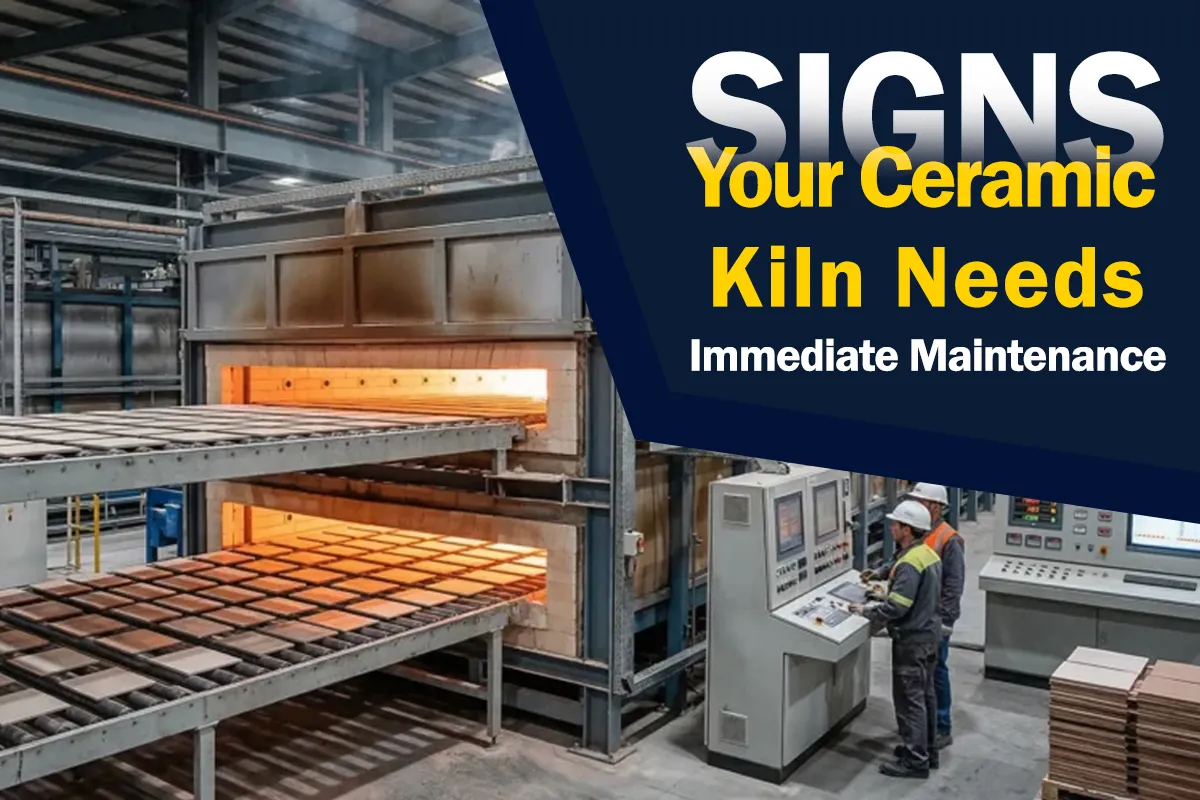
Signs Your Ceramic Kiln Needs Immediate Maintenance
A ceramic kiln is one of the most critical assets in any ceramic manufacturing facility. Because kilns operate continuously under extreme temperatures, even small issues can quickly develop into major problems if left unaddressed. Ignoring early warning signs may result in product defects, higher energy consumption, costly repairs, and unexpected production downtime.
Recognizing the symptoms of kiln problems early allows maintenance teams to take corrective action before equipment failure occurs. Here are some of the most common signs that a ceramic kiln requires immediate attention.
Inconsistent Firing Results
One of the earliest indicators of kiln problems is inconsistency in finished products.
If products that normally meet quality standards begin showing variations in color, strength, density, or surface finish, the kiln may not be maintaining the correct firing conditions. Uneven temperature distribution, failing heating elements, or faulty temperature sensors are often responsible for these issues.
When firing results become unpredictable, the kiln should be inspected as soon as possible to prevent further production losses.
Unusual Temperature Fluctuations
Temperature stability is essential for successful ceramic production.
Unexpected changes in kiln temperature, frequent temperature alarms, or difficulty reaching target firing temperatures often indicate problems with thermocouples, heating elements, controllers, or electrical systems.
If operators notice temperature readings that fluctuate more than normal, immediate investigation is recommended.
Read More: How Firing Temperature Impacts Ceramic Strength and Durability
Longer Heating Cycles
A kiln that takes longer than usual to reach operating temperature is often experiencing efficiency problems.
This may be caused by aging heating elements, damaged insulation, electrical faults, or heat loss within the kiln structure. Longer firing cycles not only reduce productivity but also increase energy consumption and operating costs.
Monitoring cycle times can help identify performance issues before they become serious failures.
Rising Energy Consumption
An unexpected increase in energy usage can indicate that the kiln is working harder than necessary.
Damaged insulation, deteriorating heating elements, airflow problems, or poor temperature control can all contribute to reduced efficiency. If production levels remain the same but energy costs continue to rise, the kiln should be inspected for underlying issues.
Visible Damage to Insulation or Refractory Materials
The condition of kiln insulation directly affects both temperature stability and energy efficiency.
Cracks, missing sections, damaged refractory bricks, or deteriorated insulation materials allow heat to escape and place additional strain on heating systems. Visible structural damage should never be ignored, as it can lead to larger operational and safety concerns.
Unusual Noises During Operation
Ceramic kilns typically operate with predictable sounds from fans, motors, and airflow systems.
Grinding noises, excessive vibration, rattling, or other unusual sounds may indicate worn bearings, damaged fans, loose components, or motor problems. These symptoms often worsen over time and should be investigated immediately.
Frequent Control System Alarms
Modern kilns rely heavily on sensors, PLCs, controllers, and monitoring systems.
Repeated alarms or fault notifications often signal developing problems that require attention. Ignoring these warnings can allow minor issues to escalate into major equipment failures.
Maintenance teams should review alarm history regularly and address recurring faults promptly.
Poor Airflow and Ventilation Performance
Proper airflow is essential for maintaining consistent temperatures throughout the kiln.
Blocked ventilation systems, failing fans, or airflow restrictions can create uneven heating conditions and affect product quality. Signs of airflow problems may include temperature variations between kiln zones, inconsistent firing results, or increased dust accumulation around ventilation components.
Frequent Product Defects
When kiln-related issues begin affecting product quality, maintenance should become a priority.
Common kiln-related defects include:
- Cracking
- Warping
- Uneven coloration
- Incomplete firing
- Surface imperfections
A sudden increase in rejected products often indicates underlying kiln performance problems that need immediate investigation.
Delayed Response from Temperature Sensors
Thermocouples and temperature sensors naturally degrade over time.
If temperature readings appear slow to respond, inconsistent, or inaccurate, the sensors may be approaching the end of their service life. Replacing worn thermocouples before complete failure helps maintain firing accuracy and production consistency.
Why Early Maintenance Is Important
Addressing kiln issues early offers significant operational benefits. Small repairs are generally faster, less expensive, and less disruptive than emergency breakdowns. Early intervention also helps maintain product quality, improve energy efficiency, and extend equipment lifespan.
Waiting until a kiln completely fails often results in longer downtime and more costly repairs.
Read More: Common Causes of Kiln Failure and How to Prevent Them
How SAEN Supports Ceramic Manufacturers
SAEN supplies high-quality industrial spare parts and maintenance solutions for ceramic manufacturing plants across the UAE. From thermocouples and temperature sensors to motors, automation components, electrical systems, and kiln-related spare parts, SAEN helps manufacturers maintain reliable kiln performance and reduce costly downtime.
With expert technical support and dependable product availability, SAEN helps ceramic factories keep production running efficiently and consistently. Contact SAEN for further information.
Conclusion
Kilns rarely fail without warning. Inconsistent firing results, temperature fluctuations, rising energy consumption, unusual noises, and frequent control system alarms are all signs that maintenance may be needed. By responding quickly to these warning signs and maintaining critical spare parts inventory, ceramic manufacturers can avoid costly downtime and ensure reliable production performance.
Leave a Reply
No comments have been sent yet!