

The Importance of Spare Parts Planning in Automated Factories
Automation has transformed modern manufacturing by increasing production speed, improving product quality, and reducing manual intervention. From PLC-controlled production lines and robotic systems to conveyors, sensors, hydraulic equipment, and electric motors, automated factories rely on a wide range of interconnected components to operate efficiently.
While automation improves productivity, it also increases the importance of effective spare parts planning. When a single critical component fails, an entire production line can come to a stop. Having the right spare parts available at the right time is essential for minimizing downtime, controlling maintenance costs, and ensuring continuous production.
Why Spare Parts Planning Matters
In an automated factory, every machine is connected to the next stage of production. Unlike manual operations, where one workstation may continue operating independently, automated production lines often depend on every component functioning correctly.
If a failed sensor, motor, PLC module, or hydraulic valve cannot be replaced immediately, production may stop completely. Effective spare parts planning reduces this risk by ensuring critical components are always available when needed.
It also enables maintenance teams to complete repairs more quickly, improving equipment availability and overall factory efficiency.
Identify Critical Spare Parts
Not every spare part requires the same level of inventory. The first step in effective planning is identifying which components are most critical to production.
Critical spare parts are typically those that:
- Can stop production if they fail
- Have long procurement lead times
- Are difficult to source locally
- Experience frequent wear
- Are expensive or highly specialized
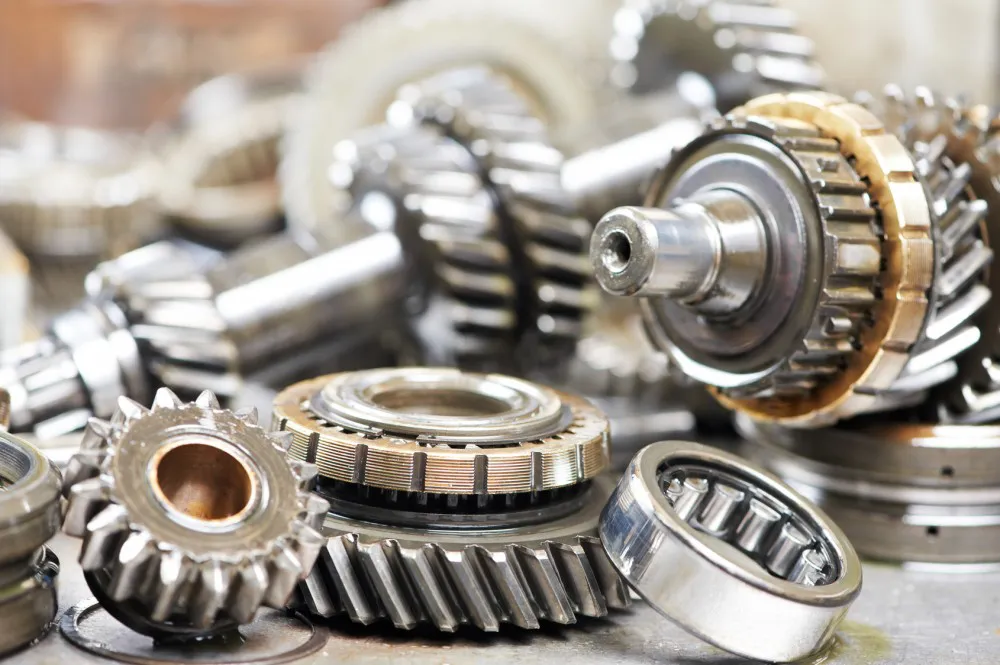
Examples include PLC modules, industrial sensors, servo motors, hydraulic pumps, variable frequency drives (VFDs), bearings, actuators, and power supplies.
By focusing inventory investment on these components, manufacturers can reduce both operational risk and unnecessary inventory costs.
Analyze Equipment Failure History
Maintenance records provide valuable information for spare parts planning.
By reviewing historical equipment failures, maintenance managers can identify which components fail most frequently, how long repairs typically take, and which parts have the greatest impact on production.
This information helps determine appropriate stock levels and supports more accurate purchasing decisions.
Plants that regularly analyze maintenance data are better prepared for future equipment failures.
Balance Inventory Levels
One of the biggest challenges in spare parts management is finding the right balance between having enough inventory and avoiding excessive stock.
Keeping too few spare parts increases the risk of extended downtime, while carrying excessive inventory ties up capital and storage space.
An effective inventory strategy should consider:
| Planning Factor | Why It Matters |
|---|---|
| Equipment criticality | Determines replacement priority |
| Lead time | Prevents delays when ordering parts |
| Failure frequency | Helps establish stock quantities |
| Part cost | Supports cost-effective inventory decisions |
| Supplier reliability | Improves purchasing confidence |
Regular inventory reviews help manufacturers adjust stock levels as production requirements change.
Standardize Components Whenever Possible
Many factories operate equipment from multiple manufacturers, which often results in a large variety of spare parts.
Where possible, standardizing motors, sensors, bearings, valves, and automation components can simplify inventory management and reduce the total number of parts that need to be stocked.
Standardization also makes maintenance faster because technicians become familiar with fewer component types.
Integrate Spare Parts Planning with Preventive Maintenance
Spare parts management should work alongside preventive maintenance programs.
When maintenance schedules identify components approaching the end of their service life, replacement parts can be ordered or reserved before maintenance begins.
This approach allows planned repairs to be completed without waiting for parts to arrive and helps eliminate unnecessary production interruptions.
Factories that integrate maintenance planning with inventory management typically experience shorter repair times and better equipment availability.
Read More: How to Reduce Downtime in Ceramic Manufacturing Through Proper Spare Parts Management
Use Digital Inventory Management Systems
Managing hundreds or thousands of spare parts manually can quickly become inefficient.
Digital inventory management systems provide real-time visibility into stock levels, purchasing history, storage locations, and usage trends.
These systems also allow manufacturers to:
- Track inventory automatically
- Receive low-stock alerts
- Monitor spare parts usage
- Generate purchasing reports
- Improve inventory accuracy
Better inventory visibility leads to faster maintenance decisions and fewer emergency purchases.
Work with Reliable Spare Parts Suppliers
Even the best inventory strategy depends on dependable suppliers.
Reliable suppliers provide consistent product quality, technical support, shorter delivery times, and access to genuine industrial components. They also help manufacturers identify suitable replacement parts and respond quickly when unexpected equipment failures occur.
Building long-term relationships with experienced suppliers improves both maintenance planning and operational reliability.
Train Maintenance Teams
Successful spare parts planning depends not only on inventory but also on the people responsible for managing it.
Maintenance personnel should understand equipment criticality, inventory procedures, component identification, and proper storage practices. Training also helps technicians recognize early signs of component wear, allowing planned replacements before failures occur.
A knowledgeable maintenance team is one of the most valuable assets in an automated manufacturing environment.
How SAEN Supports Automated Factories
SAEN supplies high-quality industrial spare parts and automation components for manufacturers across the UAE. From PLCs, sensors, hydraulic systems, motors, actuators, bearings, and electrical components to ceramic and food processing equipment spare parts, SAEN helps businesses maintain reliable production and reduce costly downtime.
With expert technical support and dependable product availability, SAEN helps manufacturers develop effective spare parts strategies that improve maintenance efficiency and keep automated production lines running smoothly. Contact SAEN for proper spare parts management.
Conclusion
Effective spare parts planning is essential for maintaining reliable operations in automated factories. By identifying critical components, analyzing maintenance data, balancing inventory levels, integrating spare parts planning with preventive maintenance, and working with trusted suppliers, manufacturers can reduce downtime and improve production efficiency.
As automation continues to advance, a well-organized spare parts strategy becomes more than a maintenance function—it becomes a competitive advantage that supports continuous production, lower operating costs, and long-term business success.
Leave a Reply
No comments have been sent yet!