
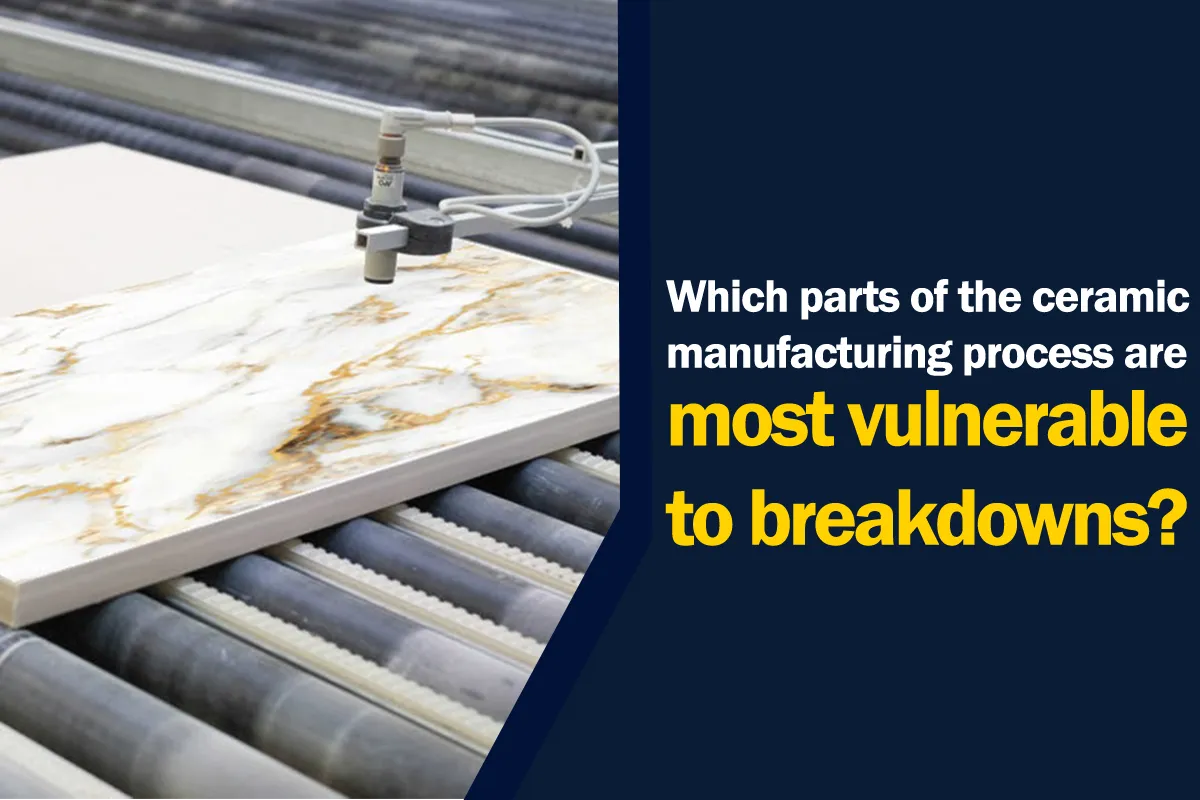
Which parts of the ceramic manufacturing process are most vulnerable to breakdowns?
Ceramic manufacturing is a complex process that depends on multiple machines working together efficiently. From raw material preparation to final firing, every stage of production relies on equipment operating under demanding conditions.
High temperatures, abrasive materials, continuous operation, and heavy mechanical loads can all contribute to equipment wear and unexpected failures. Understanding which parts of the ceramic manufacturing process are most vulnerable to breakdowns helps manufacturers improve maintenance planning, reduce downtime, and maintain consistent production.
Raw Material Preparation Equipment
The first stage of ceramic production involves processing and preparing raw materials such as clay, silica, and feldspar.
Mixers and Grinding Equipment Face Constant Wear
Mixers, crushers, mills, and grinding machines are exposed to highly abrasive materials that gradually wear down internal components. Bearings, liners, shafts, and motors are particularly vulnerable to damage due to continuous operation and material friction.
Dust Can Affect Equipment Performance
Large amounts of ceramic dust generated during material preparation can contaminate mechanical and electrical components, reducing efficiency and increasing maintenance requirements
Read More: How Raw Material Selection Affects Ceramic Product Quality
Ceramic Presses
Ceramic presses are among the most critical machines in the production process and are often a major source of downtime when failures occur.
Hydraulic Systems Are Common Failure Points
Hydraulic pumps, valves, cylinders, seals, and accumulators operate under high pressure and continuous stress. Leaks, pressure loss, or component wear can affect production quality and machine performance.
Mechanical Components Experience Heavy Loads
Bearings, bushings, rollers, and moving assemblies are constantly subjected to significant force during pressing operations. Over time, wear and fatigue can lead to equipment failure.
Conveyor and Material Handling Systems
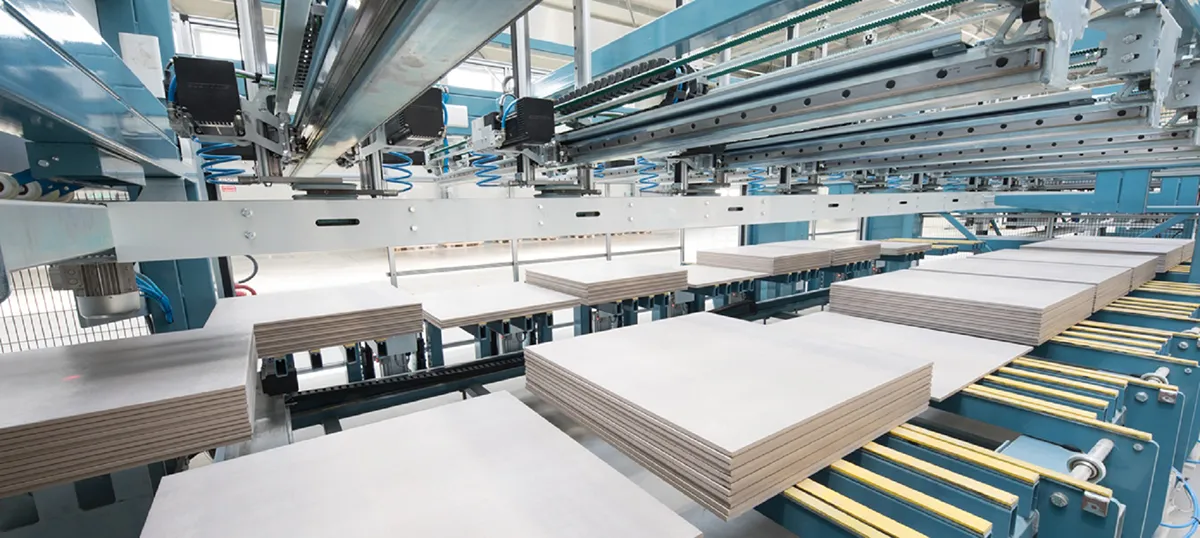
Conveyors play an essential role in transporting materials and products throughout the production process.
Continuous Movement Causes Component Wear
Belts, rollers, chains, bearings, and drive motors operate continuously and are exposed to dust, vibration, and heavy loads. These conditions make them susceptible to wear and unexpected breakdowns.
Small Failures Can Interrupt Production Flow
Even a minor conveyor malfunction can create bottlenecks and stop material movement between production stages, affecting overall productivity.
Kilns and Firing Systems
Kilns are one of the most important and demanding parts of ceramic manufacturing.
Extreme Temperatures Accelerate Component Deterioration
Heating elements, thermocouples, insulation materials, burners, and airflow systems operate in high-temperature environments that gradually reduce their lifespan.
Temperature Control Issues Affect Product Quality
Faulty sensors or heating components can lead to uneven firing, product defects, increased energy consumption, and production losses.
Dryers and Cooling Systems
Drying and cooling stages are essential for preparing ceramic products before and after firing.
Airflow Components Require Regular Maintenance
Fans, blowers, motors, and ventilation systems are continuously exposed to dust and heat. Reduced airflow performance can affect drying efficiency and product consistency.
Temperature Variations Can Create Operational Problems
Poor temperature control during drying or cooling can lead to cracking, warping, or inconsistent product quality.
Automation and Control Systems
Modern ceramic plants rely heavily on automation to maintain productivity and product consistency.
Sensors and PLC Systems Are Critical
Sensors, PLC modules, actuators, relays, and control panels manage many aspects of production. A failure in one of these components can stop an entire production line.
Electrical Problems Can Cause Unexpected Downtime
Dust, heat, vibration, and power fluctuations can affect electrical systems and create communication or control failures.
Why Identifying Vulnerable Areas Matters
Understanding which parts of the production process are most prone to breakdowns helps manufacturers improve maintenance strategies and reduce operational risks.
Better Maintenance Planning
Focusing inspections on high-risk equipment allows maintenance teams to identify wear and potential failures before they cause downtime.
Improved Spare Parts Management
Maintaining inventory for critical components such as bearings, hydraulic parts, sensors, motors, thermocouples, and heating elements helps speed up repairs and minimize production interruptions.
Read Also: Spare Parts Management: The Key to Consistent Production in the Ceramic Industry
How SAEN Supports Ceramic Manufacturers
SAEN provides high-quality industrial spare parts and technical support for ceramic manufacturing plants across the UAE. From hydraulic systems and automation components to motors, sensors, bearings, and kiln-related spare parts, SAEN helps manufacturers improve equipment reliability and reduce downtime.
With expert guidance and dependable supply solutions, SAEN supports businesses in maintaining efficient and consistent production operations. Contact SAEN for further information.
Conclusion
Several areas of the ceramic manufacturing process are particularly vulnerable to breakdowns, including raw material preparation equipment, presses, conveyors, kilns, dryers, and automation systems.
These machines operate under demanding conditions that accelerate wear and increase the risk of failure. By identifying vulnerable equipment, implementing preventive maintenance, and maintaining critical spare parts inventory, ceramic manufacturers can reduce downtime, improve reliability, and ensure smoother production operations.
Leave a Reply
No comments have been sent yet!