
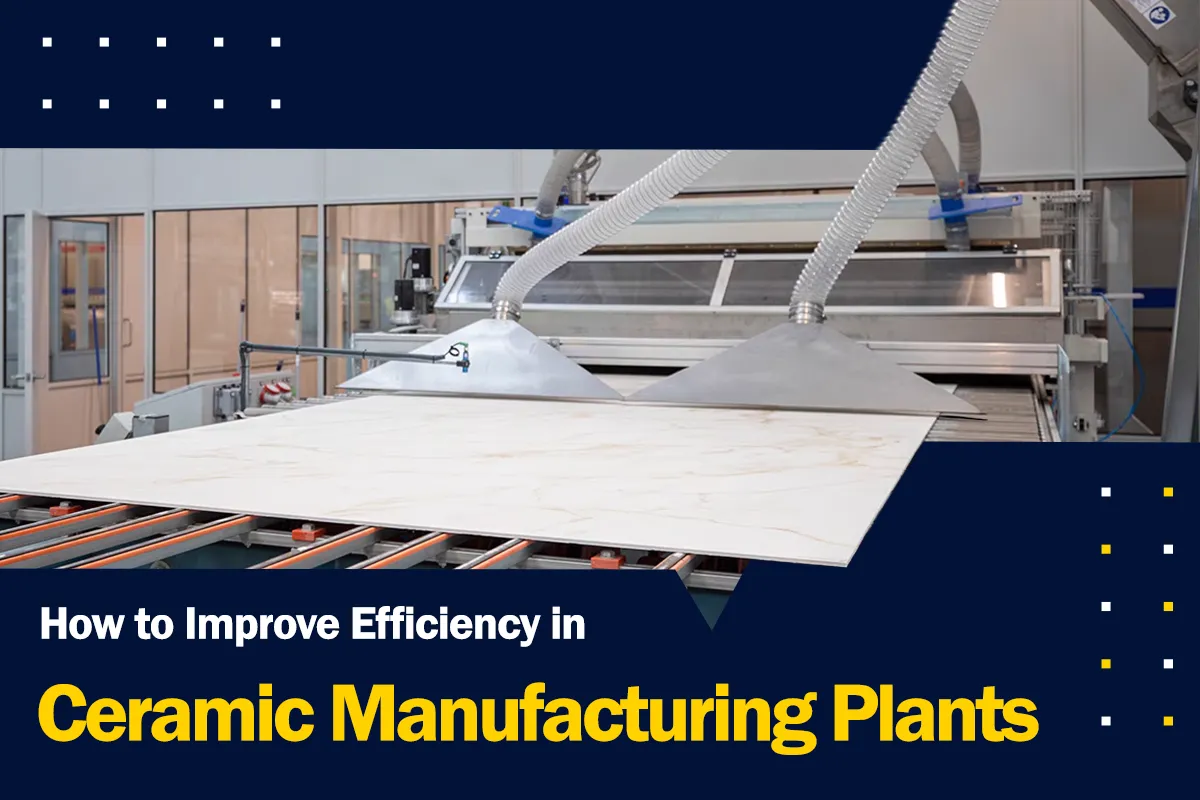
How to Improve Efficiency in Ceramic Manufacturing Plants
Efficiency is one of the most important factors in the success of ceramic manufacturing plants. High production costs, equipment downtime, energy consumption, and inconsistent product quality can all reduce profitability and slow production. By improving operational efficiency, ceramic manufacturers can increase productivity, reduce waste, lower maintenance costs, and maintain consistent product quality. Achieving this requires a combination of proper maintenance, modern technology, skilled operation, and effective production management.
Optimize Preventive Maintenance Practices
- Reduce Unexpected Equipment Failures
One of the most effective ways to improve efficiency is through regular preventive maintenance. Ceramic production equipment such as presses, kilns, conveyors, and mixers operates under continuous stress and high temperatures. Without proper maintenance, small issues can quickly lead to costly breakdowns and production delays.
- Schedule Regular Inspections
Routine inspections help identify worn components, leaks, vibration issues, and overheating before they become serious problems. Replacing critical spare parts on time can significantly reduce downtime and improve machine reliability.
Also Read: How to Reduce Downtime in Ceramic Manufacturing Through Proper Spare Parts Management
Use High-Quality Spare Parts
- Improve Equipment Reliability
Using high-quality and genuine spare parts helps machinery operate more efficiently and reduces the risk of repeated failures. Components such as bearings, hydraulic parts, sensors, motors, and heating elements must be reliable enough to withstand demanding ceramic production conditions.
- Reduce Long-Term Maintenance Costs
Although low-cost alternatives may seem attractive initially, poor-quality parts often fail faster and can damage surrounding equipment. Investing in reliable spare parts improves long-term performance and reduces repair expenses.
Improve Energy Efficiency
- Monitor Kiln and Dryer Performance
Kilns and dryers are among the largest energy consumers in ceramic plants. Poor insulation, inefficient burners, or inconsistent temperature control can increase energy costs significantly.
- Reduce Heat Loss
Maintaining insulation materials, checking airflow systems, and optimizing firing cycles can help reduce heat loss and improve energy efficiency throughout the production process.
Implement Automation and Monitoring Systems
- Increase Production Accuracy
Automation systems help improve precision, consistency, and production speed. Sensors, PLC systems, and automated controls allow manufacturers to monitor operations in real time and reduce manual errors.
- Detect Problems Early
Modern monitoring systems can identify unusual vibration, overheating, pressure changes, or equipment abnormalities before failures occur. This helps maintenance teams respond quickly and avoid unplanned downtime.
Train Operators and Maintenance Teams
- Proper Machine Operation Matters
Operator error is a common cause of equipment damage and production inefficiency. Ensuring that employees understand how to operate machinery correctly helps reduce unnecessary stress on equipment.
- Improve Maintenance Response
Well-trained maintenance teams can diagnose problems faster, perform repairs more effectively, and minimize machine downtime.
Maintain Proper Spare Parts Inventory
- Avoid Delays During Repairs
Keeping essential spare parts readily available allows maintenance teams to replace failed components quickly without waiting for deliveries.
- Identify Critical Components
Factories should maintain stock for high-priority components such as hydraulic parts, motors, bearings, sensors, belts, and kiln elements that are critical to continuous operation.
Reduce Material Waste
- Improve Process Control
Poor calibration, inconsistent firing temperatures, or equipment malfunction can result in defective products and wasted raw materials. Monitoring production parameters closely helps improve product consistency and reduce waste.
- Maintain Equipment Accuracy
Regular calibration of machines and control systems ensures that production processes remain accurate and efficient.
Partner with a Reliable Industrial Supplier
Working with a trusted supplier helps ceramic manufacturers access reliable spare parts, expert guidance, and fast delivery services.
SAEN Supports Ceramic Manufacturers in the UAE
SAEN provides high-quality industrial spare parts and technical support for ceramic manufacturing plants across the UAE. From hydraulic components and automation systems to motors and sensors, SAEN helps businesses improve operational efficiency, reduce downtime, and maintain reliable production performance.
Conclusion
Improving efficiency in ceramic manufacturing plants requires a proactive approach that combines preventive maintenance, reliable spare parts, energy optimization, automation, and skilled operation. By focusing on these areas, manufacturers can reduce downtime, lower operating costs, improve product quality, and increase overall productivity. Partnering with experienced suppliers like SAEN also ensures access to the right components and technical expertise needed to maintain efficient and reliable ceramic production operations.
Leave a Reply
No comments have been sent yet!