

Why Ceramic Manufacturers Lose Time — and How Better Spare Parts Control Solves It
Time loss is one of the biggest challenges facing ceramic manufacturers today. Unexpected equipment breakdowns, delayed repairs, production interruptions, and inefficient maintenance practices can significantly reduce productivity and increase operational costs.
In many cases, these problems are directly connected to poor spare parts management. Without the right components available at the right time, even small equipment failures can stop an entire production line. Implementing better spare parts control helps ceramic manufacturers reduce downtime, improve maintenance efficiency, and maintain smooth production operations.
Unplanned Equipment Failures Cause Major Delays
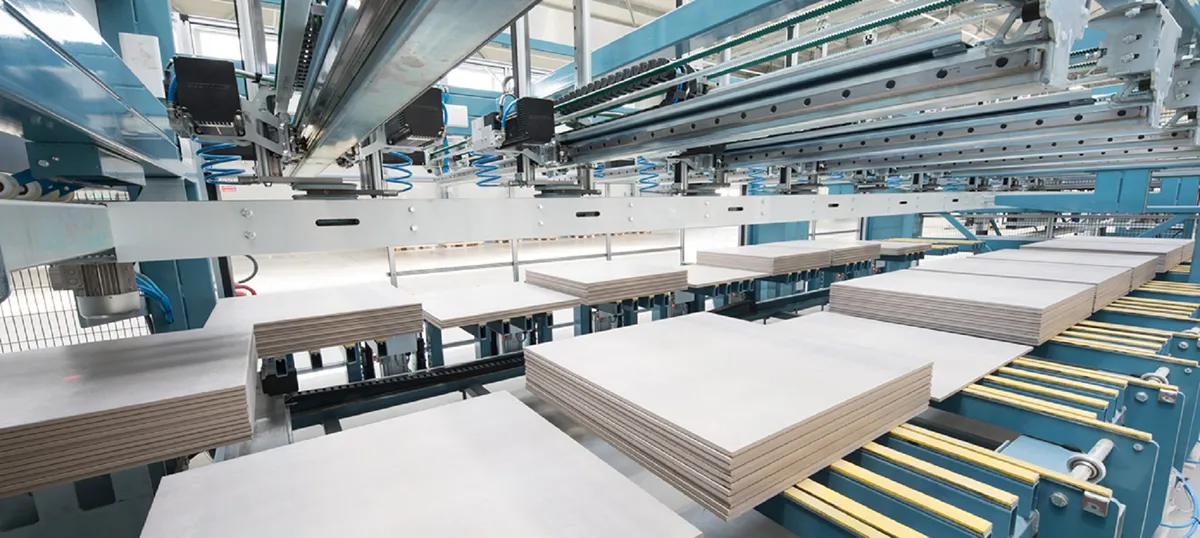
Ceramic manufacturing relies on heavy machinery such as presses, kilns, conveyors, mixers, and automation systems that operate continuously under demanding conditions.
Small Failures Can Stop Entire Production Lines
When a critical component such as a bearing, motor, hydraulic valve, sensor, or heating element fails unexpectedly, production may come to a complete halt. Even a minor part failure can create delays across the entire manufacturing process.
Emergency Repairs Increase Downtime
Without immediate access to replacement components, maintenance teams are forced to wait for spare parts to arrive, extending downtime and affecting production schedules.
Poor Spare Parts Inventory Management Creates Inefficiency
Many ceramic manufacturers lose valuable time because they do not maintain proper control over spare parts inventory.
Missing Critical Components Delays Repairs
If essential spare parts are not available in stock, equipment repairs cannot be completed quickly. This leads to longer production interruptions and increased operational losses.
Overstocking Also Creates Problems
Keeping excessive inventory can increase storage costs and make inventory management more difficult. Effective spare parts control requires balancing availability with operational efficiency.
Read More: Spare Parts for Ceramic Machinery & Production Lines
Delayed Maintenance Leads to Bigger Problems
Preventive maintenance is essential in ceramic manufacturing, but it becomes difficult when spare parts are unavailable or poorly managed.
Worn Components Reduce Equipment Performance
Parts such as bearings, seals, belts, rollers, hydraulic components, and sensors naturally wear over time. Delaying replacement can reduce machine efficiency and increase the risk of major breakdowns.
Reactive Maintenance Increases Costs
When factories only respond after failures occur, repair costs, downtime, and production losses become significantly higher than with proactive maintenance planning.
Automation and Kiln Systems Depend on Reliable Components
Modern ceramic plants rely heavily on automated systems and temperature-controlled equipment to maintain consistent product quality.
Sensor and Control Failures Interrupt Production
Faulty sensors, PLC modules, relays, or automation components can disrupt machine communication and stop production lines unexpectedly.
Kiln Components Require Regular Replacement
Heating elements, thermocouples, insulation materials, and airflow components are critical to kiln performance. If these parts fail, firing consistency and product quality may be affected.
Better Spare Parts Control Improves Productivity
Effective spare parts management helps ceramic manufacturers reduce delays and improve operational efficiency.
Critical Spare Parts Are Always Available
Maintaining inventory for high-priority components allows maintenance teams to respond quickly when failures occur. This minimizes downtime and keeps production moving.
Inventory Tracking Improves Planning
Using inventory management systems helps factories monitor stock levels, identify fast-moving parts, and plan replacements more effectively.
Preventive Maintenance Becomes Easier
When spare parts are properly organized and available, maintenance teams can perform scheduled servicing without delays, reducing the likelihood of unexpected failures.
Read Also: How to Find Reliable Industrial Spare Parts in the UAE
The Importance of Working with a Reliable Supplier
A trusted industrial supplier plays an important role in improving spare parts control and reducing operational delays.
Fast Access to Industrial Components
Reliable suppliers help ceramic manufacturers access critical components quickly, reducing waiting times during equipment repairs.
Technical Support Improves Decision-Making
Experienced suppliers can help identify suitable spare parts, recommend high-quality components, and support maintenance planning.
How SAEN Supports Ceramic Manufacturers in the UAE
SAEN provides high-quality industrial spare parts and technical support for ceramic manufacturing plants across the UAE. From hydraulic components and automation systems to motors, sensors, thermocouples, and kiln-related spare parts, SAEN helps manufacturers reduce downtime and maintain efficient operations.
With reliable sourcing, technical expertise, and fast supply solutions, SAEN supports businesses in improving productivity and minimizing production interruptions. Contact SAEN for consultation and ordering.
Conclusion
Ceramic manufacturers often lose valuable time due to equipment failures, delayed maintenance, and poor spare parts management. Without proper spare parts control, even small component failures can lead to major production delays and increased operational costs.
By maintaining critical inventory, improving maintenance planning, and partnering with a reliable supplier like SAEN, manufacturers can reduce downtime, improve efficiency, and ensure smoother, more reliable production operations.
Leave a Reply
No comments have been sent yet!