
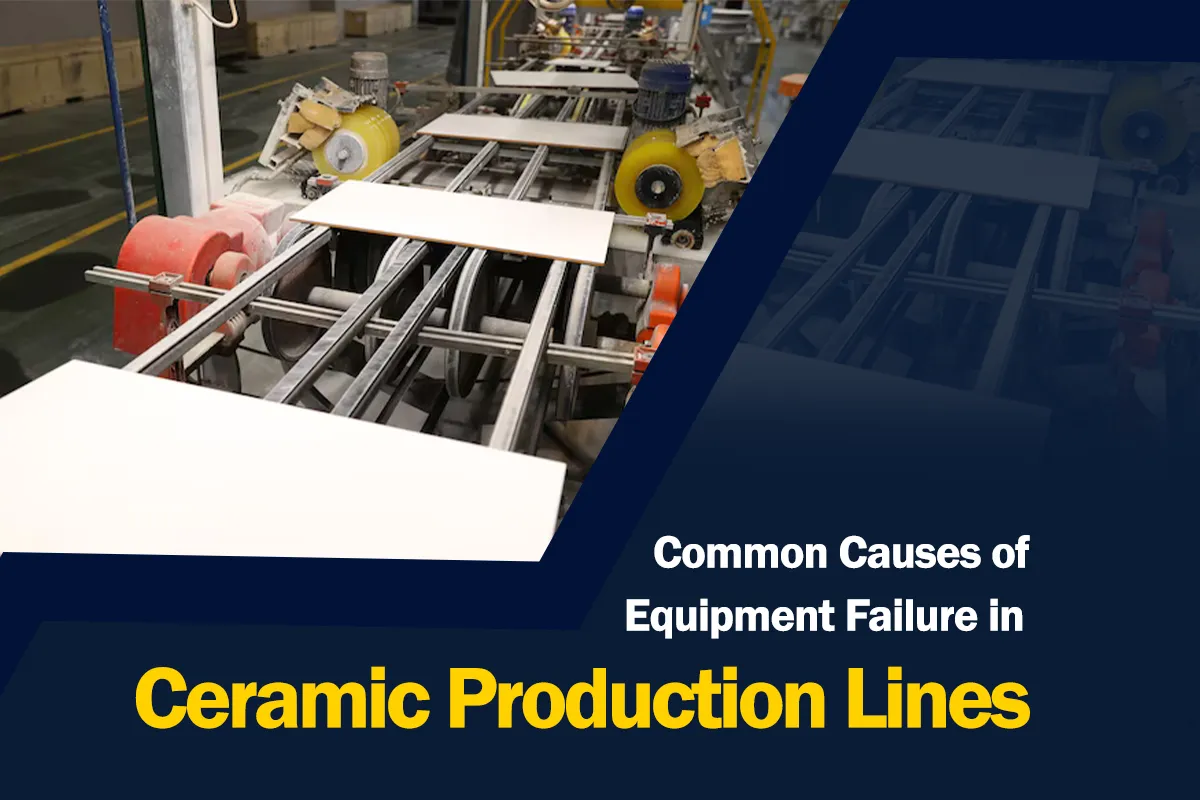
Common Causes of Equipment Failure in Ceramic Production Lines
Equipment failure in ceramic production lines is one of the leading causes of unplanned downtime, reduced productivity, and increased maintenance costs. Ceramic manufacturing relies on a complex combination of machinery, high-temperature processes, and abrasive raw materials, all of which place heavy stress on production equipment.
When machinery fails unexpectedly, it can disrupt the entire workflow and lead to costly production delays. Understanding the common causes of equipment failure is essential for improving reliability, reducing downtime, and maintaining smooth operations.
Normal Wear and Tear on Machinery Components
One of the most common causes of equipment failure in ceramic production lines is normal wear and tear.
Continuous Operation Increases Component Stress
Machines such as mixers, conveyors, presses, dryers, and kilns often operate continuously for long periods. This constant use places repeated stress on critical components such as bearings, belts, rollers, shafts, seals, and couplings.
Delayed Replacement Leads to Breakdown
Over time, these parts naturally wear down and lose efficiency. If worn components are not replaced on time, they can cause friction, misalignment, reduced machine performance, or complete equipment failure.
Abrasive Raw Materials and Dust Accumulation
Ceramic production involves handling raw materials that are often highly abrasive.
Raw Materials Can Damage Internal Parts
Materials such as clay, silica, feldspar, and glaze compounds can gradually wear down internal machine surfaces, pumps, valves, conveyor systems, and rotating parts. This type of material stress is especially common in ceramic processing environments.
Dust Can Affect Mechanical and Electrical Performance
In addition to abrasion, ceramic dust can accumulate around equipment and interfere with moving components, clog ventilation systems, and affect electrical parts. Over time, this buildup can reduce machine efficiency and increase the risk of failure.
Poor Maintenance Practices
Lack of proper maintenance is another major cause of equipment breakdown in ceramic manufacturing plants.
Small Issues Become Bigger Problems
When preventive maintenance is ignored, minor issues can quickly develop into major mechanical failures. For example, inadequate lubrication can cause overheating and excessive friction, leading to premature bearing or motor failure.
Inconsistent Inspections Increase Risk
Loose fittings, worn seals, dirty filters, and misaligned components may seem small at first, but they can significantly affect machine performance if left unresolved. Regular maintenance is essential for identifying these issues before they lead to downtime.
If your ceramic production line is facing maintenance-related issues or you need support in identifying the right spare parts and preventive solutions, SAEN is here to help. Our experienced team can assist you in selecting reliable components, improving maintenance planning, and reducing the risk of unexpected equipment failure. Contact SAEN today for expert guidance and dependable support tailored to your industrial needs.
High Operating Temperatures
Ceramic production lines often involve extremely high temperatures, especially in kilns and drying systems.
Heat Accelerates Equipment Deterioration
Constant exposure to heat can damage seals, reduce lubricant effectiveness, weaken electrical insulation, and place extra strain on nearby components. This can shorten the lifespan of motors, control systems, and hydraulic parts.
Temperature-Resistant Components Are Essential
Using components that are not designed for high-temperature environments can result in more frequent failures and higher replacement costs. Heat-resistant spare parts and proper cooling or insulation measures are critical in ceramic production settings.
Electrical and Automation System Failures
Modern ceramic production lines rely heavily on automation and control systems to maintain consistency and efficiency.
Sensors, Motors, and Control Units Are Critical
Equipment such as PLCs, sensors, relays, actuators, and electric motors play a key role in controlling production flow and machine accuracy. If one of these components fails, it can stop the entire line or lead to incorrect machine operation.
Harsh Conditions Can Damage Sensitive Components
Dust, heat, humidity, and unstable power supply can all affect automation systems and lead to electrical malfunctions. These failures can be difficult to diagnose and often result in significant production interruptions.
Also Read: Key Spare Parts That Keep Automation Lines Running Smoothly
Improper Operation and Human Error
Human error is another factor that can contribute to machinery failure in ceramic plants.
Incorrect Use Can Damage Equipment
Improper machine settings, overloading, incorrect startup or shutdown procedures, and lack of operator training can place unnecessary strain on equipment and accelerate component wear.
Training Helps Prevent Costly Mistakes
Ensuring that operators understand how to use machinery correctly is an important part of reducing failures and extending equipment life.
Low-Quality or Incompatible Spare Parts
Using the wrong spare parts can also lead to recurring equipment problems.
Poor-Quality Parts Reduce Reliability
Non-genuine or incompatible components may not fit correctly, may wear out faster, or may not perform well under demanding ceramic production conditions.
Genuine Parts Improve Long-Term Performance
Using high-quality spare parts helps maintain equipment reliability, reduces repeat failures, and supports safer, more efficient operations.
Read More: Ceramic Press Machine Spare Parts: Essential Components for Reliable Production
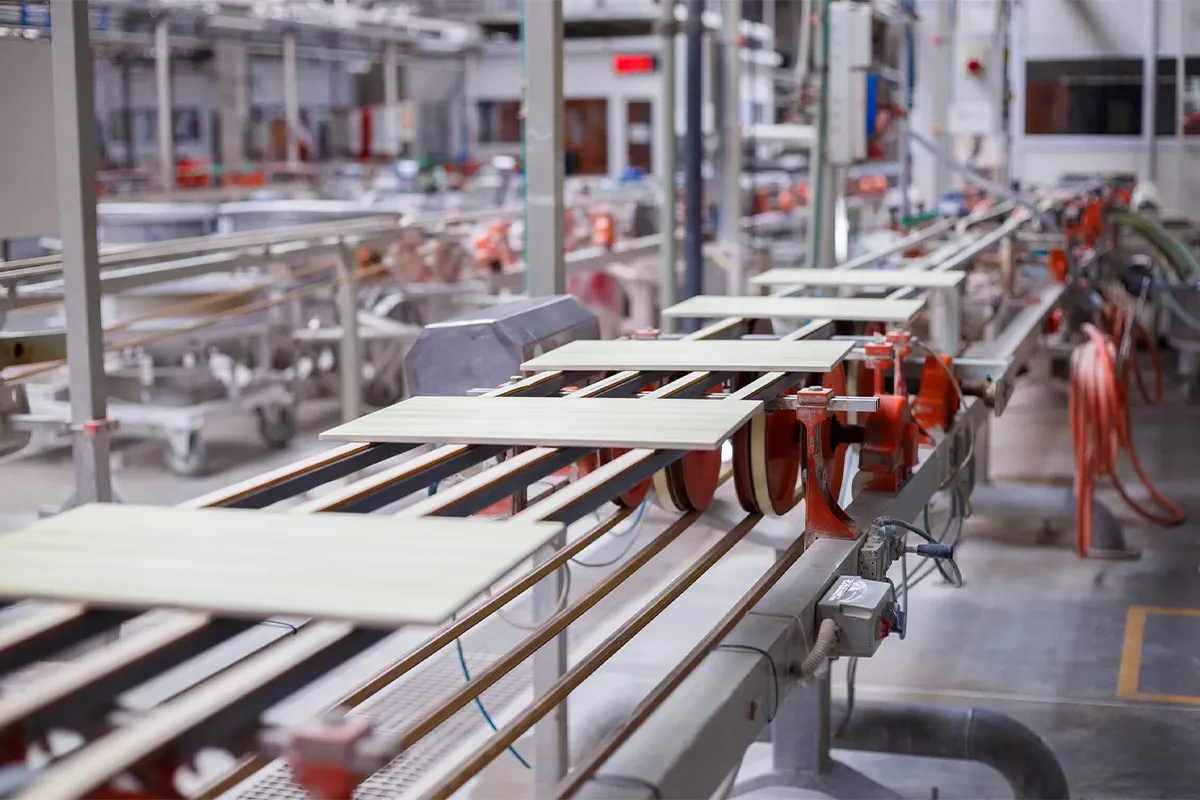
Ceramic Production Line equipment at SAEN
At SAEN, we are committed to supporting industrial businesses across the UAE with reliable spare parts, technical expertise, and practical solutions for a wide range of applications in automation, hydraulic systems, food processing, and ceramic manufacturing.
With a strong focus on quality, efficiency, and customer support, we help our clients reduce downtime, improve equipment performance, and keep their operations running smoothly. If you need assistance selecting the right components or want expert guidance for your industrial systems, feel free to contact SAEN — our team is ready to help you with professional consultation and dependable support.
Conclusion
Equipment failure in ceramic production lines is often caused by a combination of wear and tear, abrasive materials, poor maintenance, heat exposure, electrical issues, human error, and low-quality spare parts.
By identifying these common causes and taking a proactive approach to maintenance and spare parts management, ceramic manufacturers can reduce downtime, improve machine reliability, and maintain consistent production performance. Investing in proper care and quality components is essential for long-term operational success.
Leave a Reply
No comments have been sent yet!