
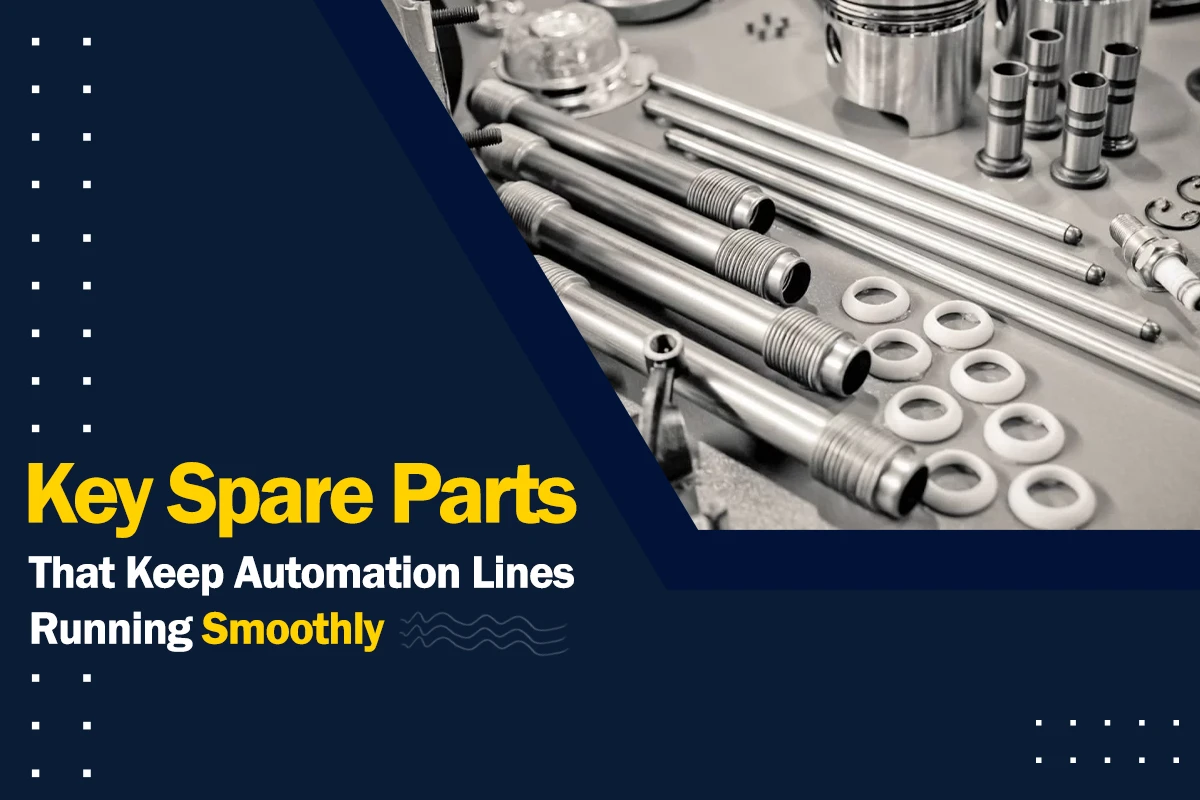
Key Spare Parts That Keep Automation Lines Running Smoothly
What types of spare parts are most critical for keeping automation lines operational?
The most critical spare parts for keeping automation lines operational are those that directly impact the movement, control, and safety of the production process. These typically include motors, actuators, and drives, which power mechanical operations; sensors and switches, which monitor conditions and ensure accurate machine responses; PLC (Programmable Logic Controller) components and HMIs, which manage automation logic and operator interfaces; and belts, bearings, and couplings, which support mechanical motion and prevent wear-related failures.
Additionally, safety components such as emergency stop switches and relays are essential to prevent accidents and costly downtime. Ensuring these parts are of high quality, properly maintained, and readily available helps maintain continuous, efficient operation and minimizes unexpected disruptions in automated production lines.
Why are actuators and motors essential for smooth automated operation?
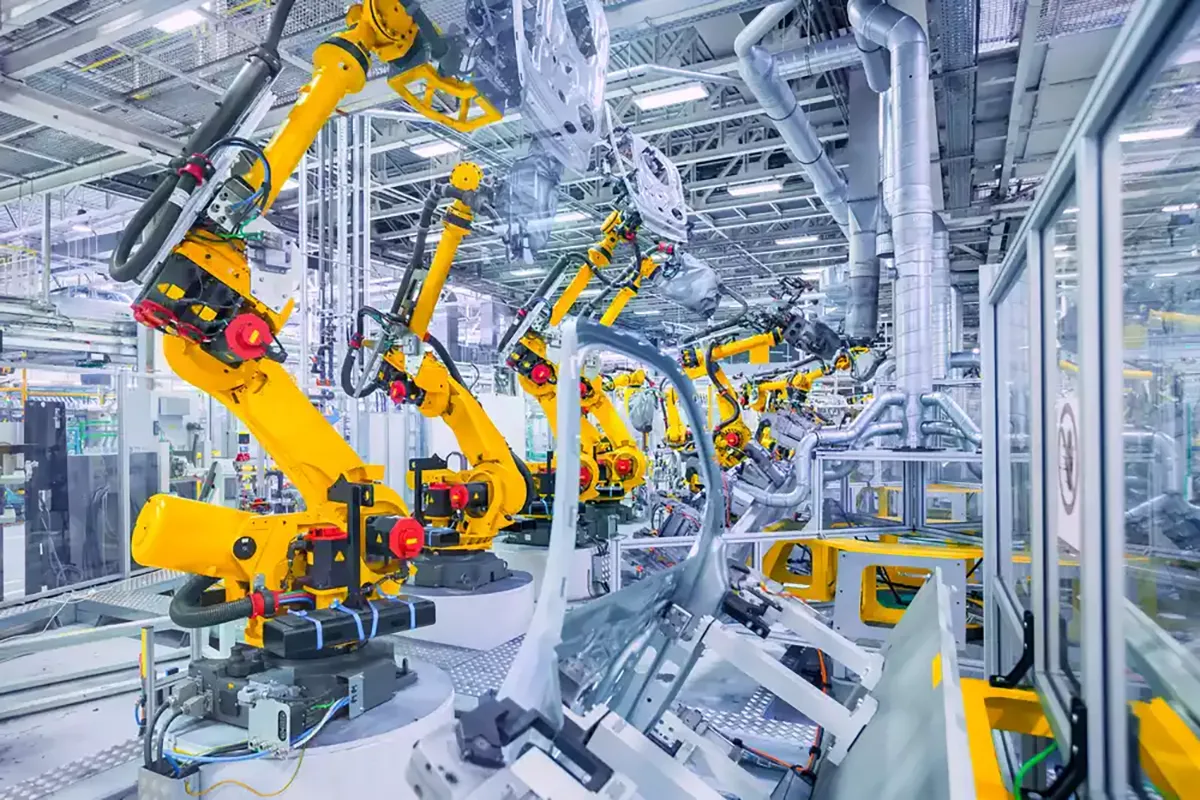
Actuators and motors are essential for smooth automated operation because they are the primary drivers of movement and mechanical action within an automation system. Motors convert electrical energy into rotational or linear motion, powering conveyors, robotic arms, pumps, and other machinery, while actuators control precise movements such as opening valves, positioning components, or executing repetitive tasks with accuracy.
Without properly functioning motors and actuators, machines cannot perform their intended operations, leading to delays, misalignments, or complete production stoppages. Reliable and well-maintained actuators and motors ensure that automation lines run consistently, efficiently, and safely, making them a cornerstone of uninterrupted manufacturing processes.
How does regular replacement of wear-and-tear parts prevent unexpected downtime?
Regular replacement of wear-and-tear parts prevents unexpected downtime by addressing issues before they escalate into critical failures. Components such as bearings, belts, seals, and couplings naturally degrade over time due to friction, heat, and continuous operation. If these parts are allowed to wear out completely, they can cause machine malfunctions, misalignments, or even complete line stoppages. By proactively replacing them on a scheduled basis, factories maintain optimal equipment performance, reduce the risk of sudden breakdowns, and ensure that automation lines continue running smoothly. This approach not only minimizes unplanned downtime but also extends the lifespan of machinery and reduces costly emergency repairs.
How can using genuine spare parts improve performance and equipment life?
- Ensures proper fit and compatibility with the original equipment, preventing malfunctions.
- Maintains optimal performance, as parts are designed to meet exact manufacturer specifications.
- Reduces the risk of premature wear or failure, extending the lifespan of machinery.
- Protects warranties provided by the equipment manufacturer.
- Minimizes unplanned downtime, as genuine parts are more reliable under operational stress.
- Supports consistent product quality, avoiding defects caused by poorly performing components.
How should factories determine which spare parts are “critical” for their automation processes?
Factories can determine which spare parts are “critical” for their automation processes by assessing the impact of each component on production continuity, safety, and product quality. Critical parts are typically those whose failure would cause significant downtime, halt the entire production line, or compromise operational safety — such as motors, actuators, sensors, PLC modules, and key mechanical linkages.
To identify these parts, factories can analyze historical maintenance records to pinpoint frequently failing components, evaluate machine dependency and production bottlenecks, and consult equipment manufacturers’ recommendations. By combining these insights, managers can create a prioritized list of essential spare parts, ensuring that high-impact components are always in stock and ready for immediate replacement, ultimately minimizing unplanned downtime and maintaining smooth operation.
How does having the right spare parts reduce downtime and maintenance costs?
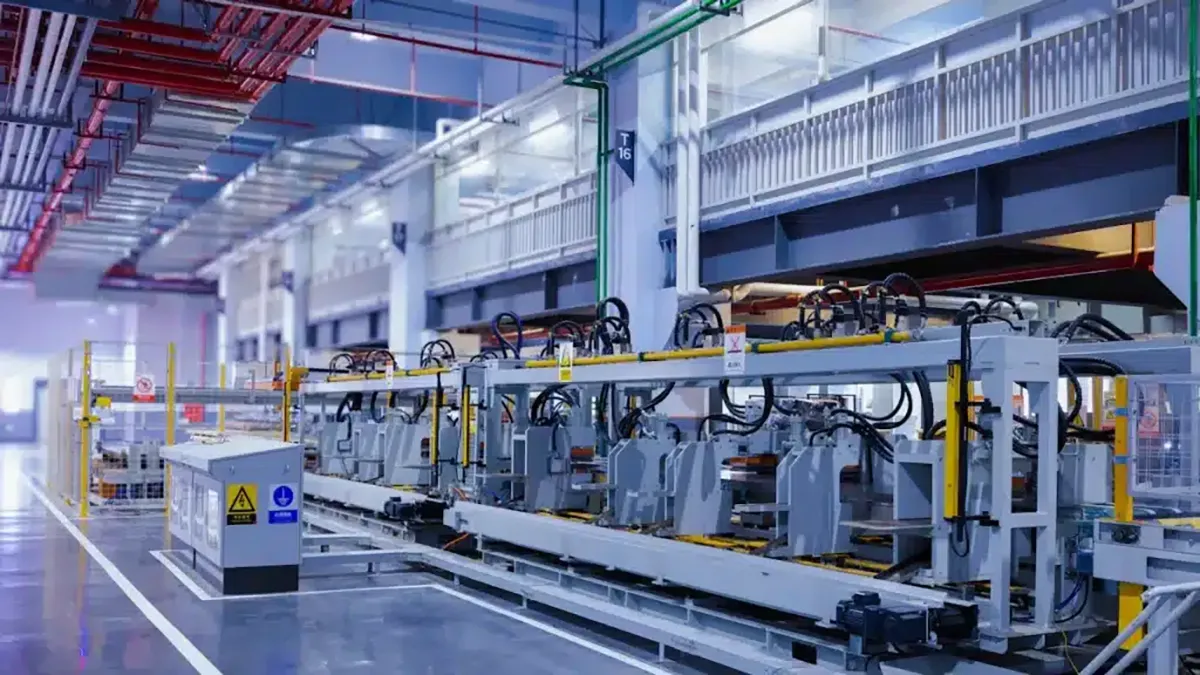
Having the right spare parts reduces downtime and maintenance costs by ensuring that repairs and replacements can be performed quickly and efficiently without waiting for parts to be sourced. When critical components are readily available, maintenance teams can address issues immediately, preventing minor problems from escalating into major breakdowns that halt production. This proactive approach also reduces the need for costly emergency shipments or expedited orders. Additionally, using the correct, high-quality spare parts minimizes wear and tear on machinery, extends equipment life, and lowers the frequency of repairs, all of which contribute to lower overall maintenance costs and more reliable, continuous operation.
Read More: How to Reduce Downtime in Ceramic Manufacturing Through Proper Spare Parts Management
How can partnering with a reliable automation spare parts supplier improve productivity?
Partnering with a reliable automation spare parts supplier like SAEN can significantly improve productivity in manufacturing operations. Having a trusted source for high-quality, genuine spare parts ensures that critical components — such as motors, sensors, actuators, and relays — are always available when needed, reducing unplanned downtime. Quick access to the right parts allows maintenance teams to perform repairs promptly, keeping production lines running smoothly. In addition, SAEN provides technical expertise to help identify the correct components for specific equipment, preventing errors that could lead to further breakdowns. Over time, this reliability lowers maintenance costs, extends equipment life, and ensures consistent, efficient operation across automation, food, and ceramic production lines.
Leave a Reply
No comments have been sent yet!